VikMuniz
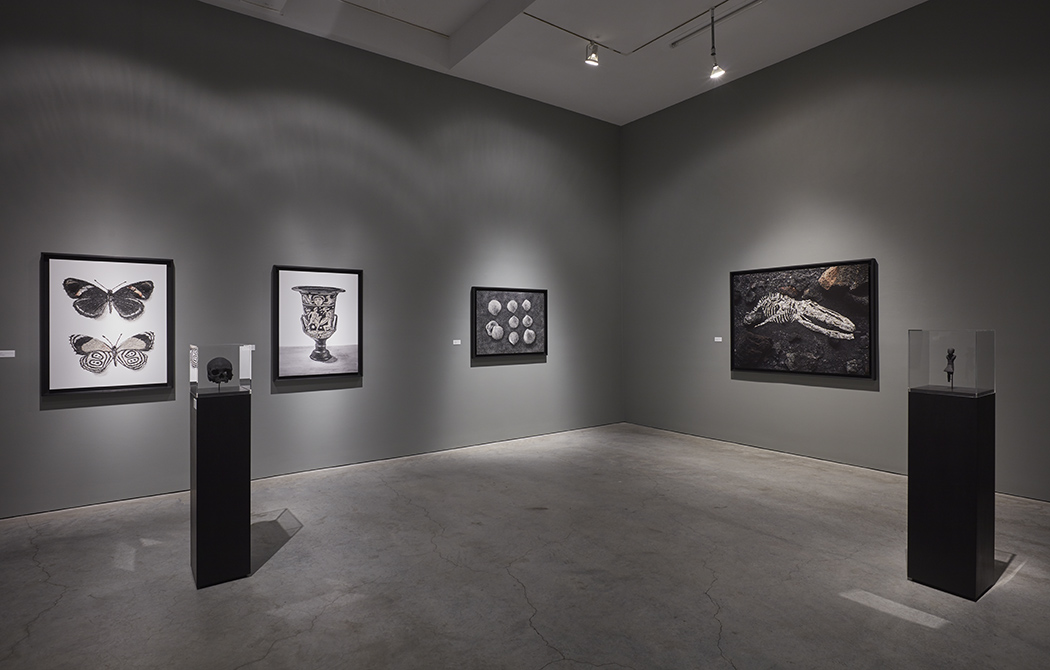
Pictures of Paint and Museum of Ashes at Sikkema Jenkins & Co., New York, NY, October 10 – November 16
Vik Muniz
Museum of Ashes
October 10–November 16, 2019
Sikkema Jenkins & Co. is pleased to present two solo exhibitions of new work by Vik Muniz. Surfaces and Museum of Ashes will be on view October 10 through November 16, 2019.
It was only after moving to the US in 1983 that Vik Muniz was able to physically engage with the art he had known exclusively through reproductions in Brazil. The separation between these two distinct experiences has become the core of a multi-faceted oeuvre spanning the course of three decades. Muniz’ work invites the viewer to wander in an ambiguous and somewhat disorienting territory between the image and its physical counterpart, between mind and matter, perception and phenomenon. This “metaphysical fitness,” as he calls it, awakens both the intellect and the senses to continuously chart new paths through an ever-changing reality. When past and present, as well as document and fact, become disrupted, the viewer is challenged to transcend interpretation and acknowledge the fragility of their own visual convictions.
Muniz works in series, sometimes starting with a material or technique that is applied to a diverse range of imagery. Other times, he selects a subject, theme, or family of images as an initial point of departure. This exhibition explores these two contrasting approaches to his work: one presents a material looking for meaning, and the other presents an image searching for physical resurrection. Both series reflect on the condition of historical artifacts in contemporary times.
Museum of Ashes
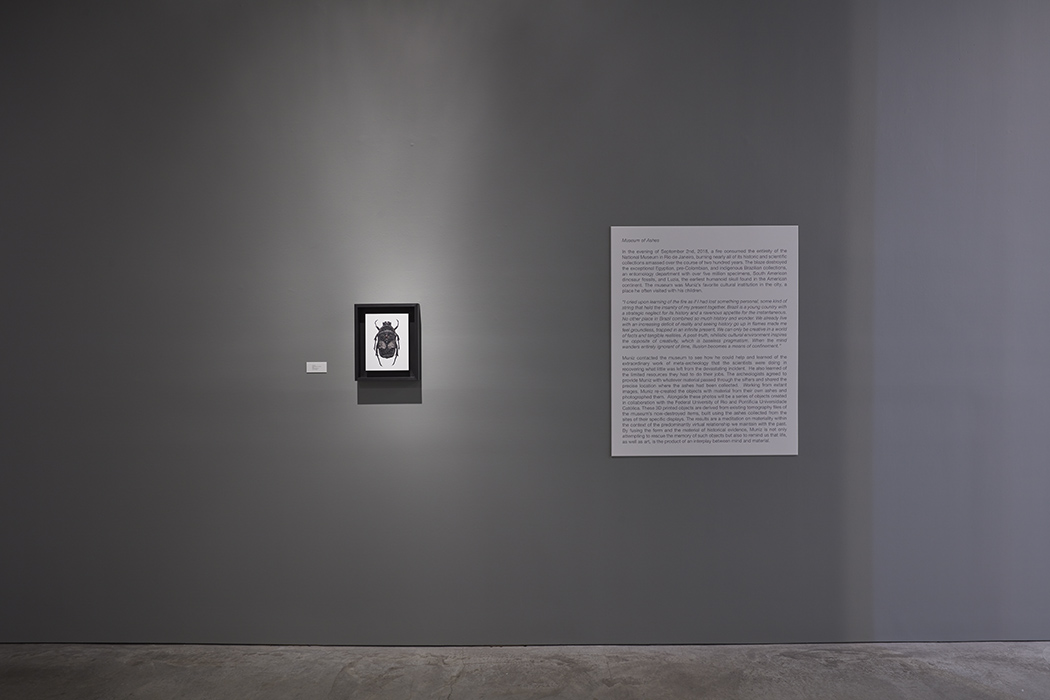
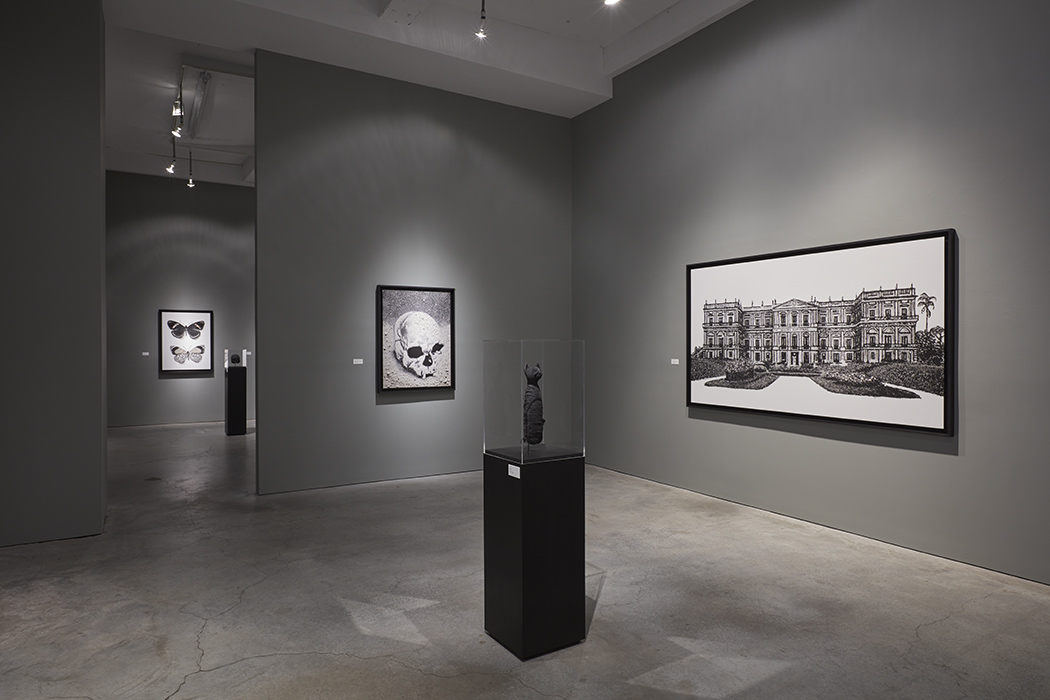
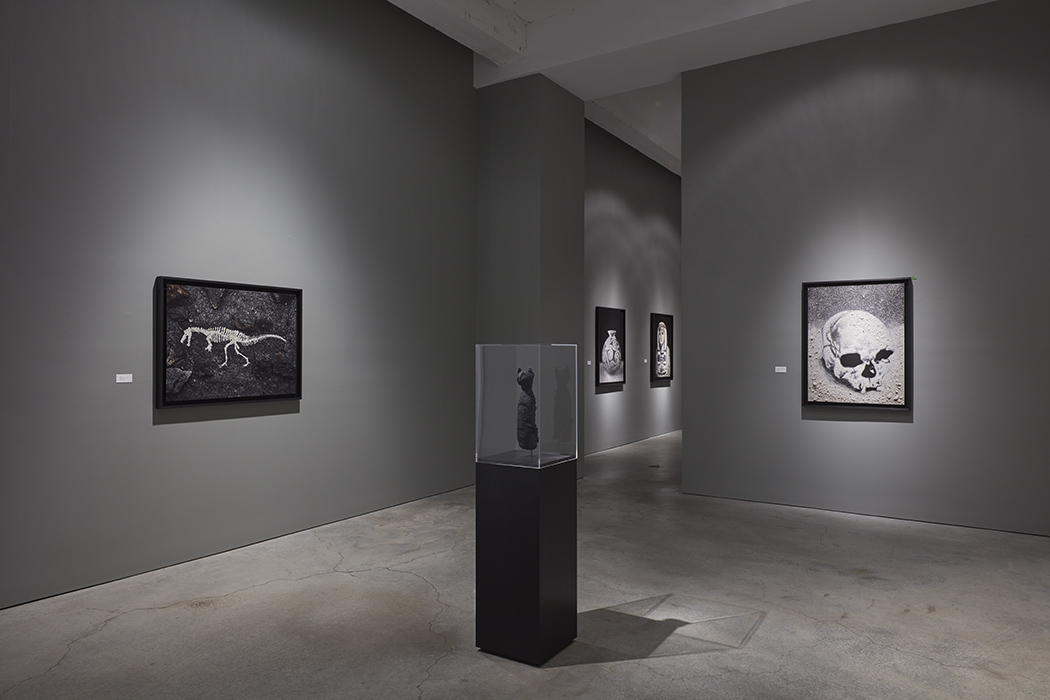
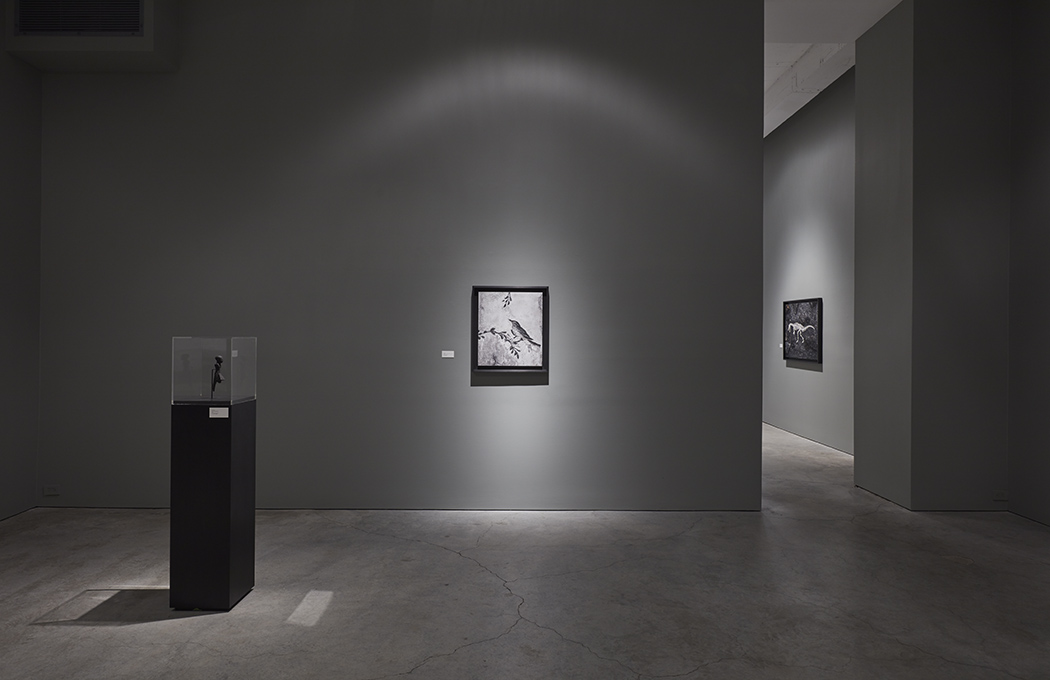
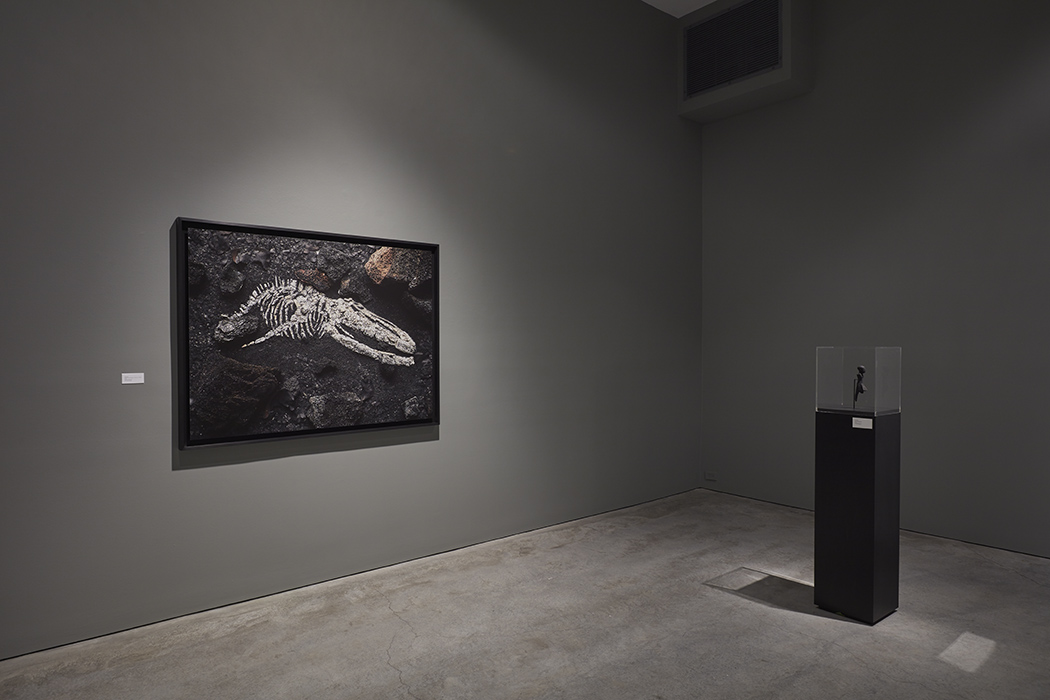
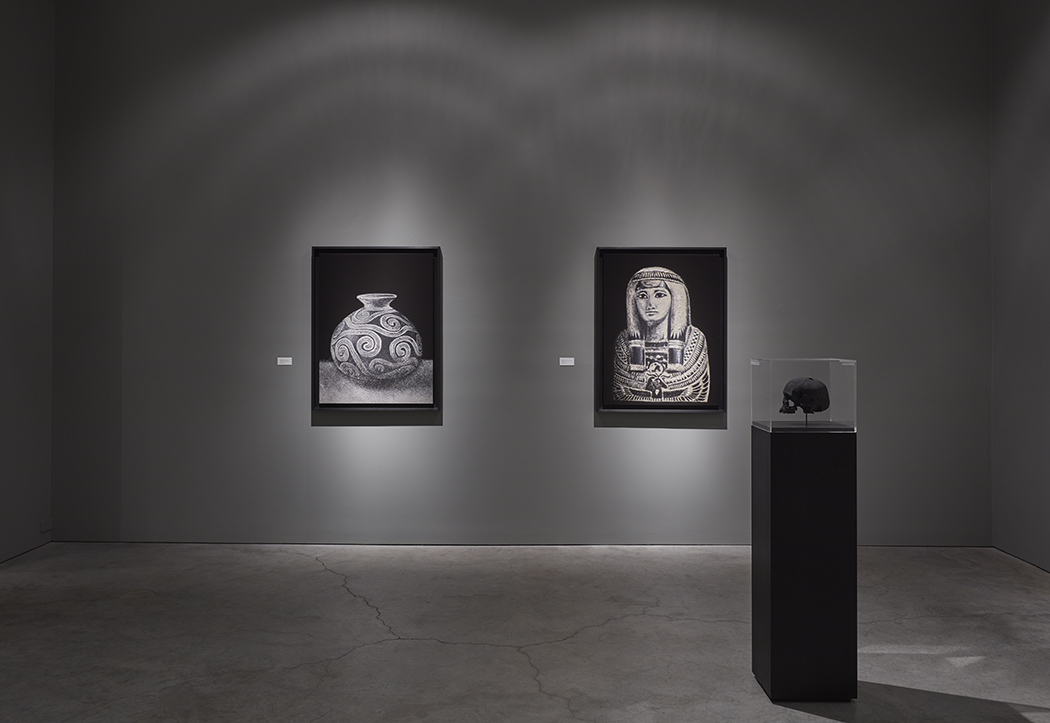
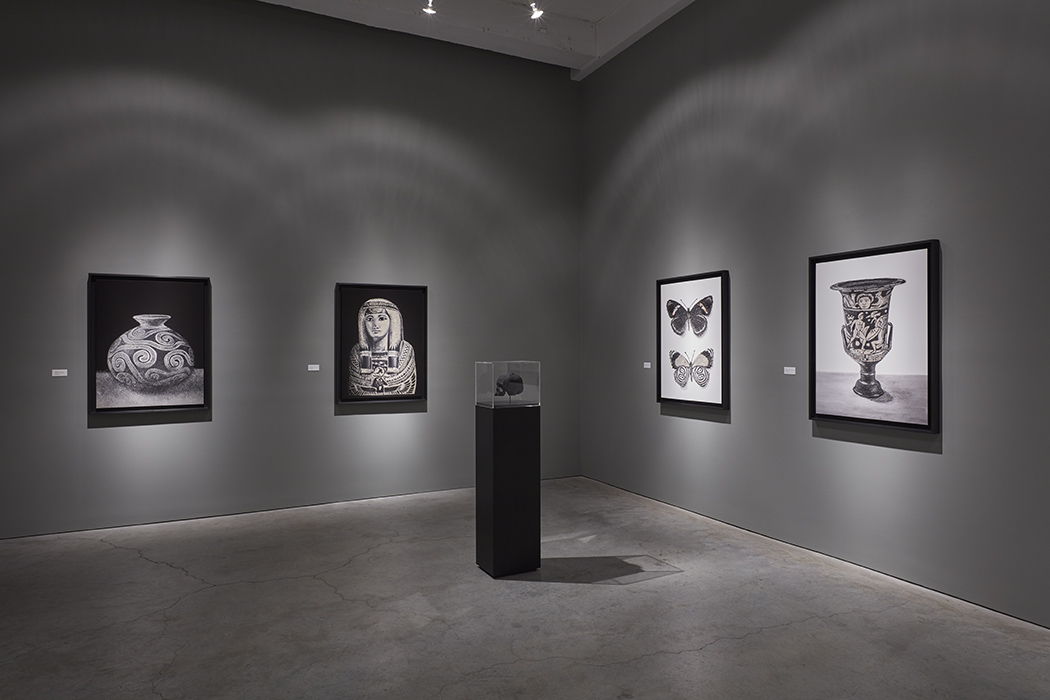
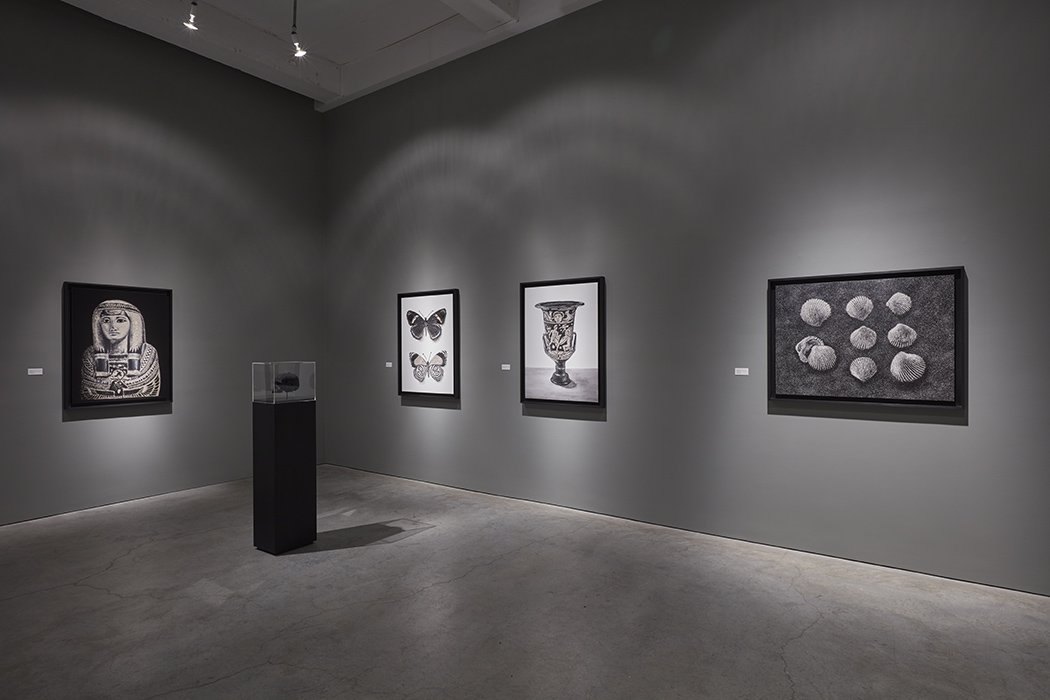
In the evening of September 2nd, 2018, a fire consumed the entirety of the National Museum in Rio de Janeiro, burning nearly all of its historic and scientific collections amassed over the course of two hundred years. The blaze destroyed the exceptional Egyptian, pre-Colombian, and indigenous Brazilian collections, an entomology department with over five million specimens, South American dinosaur fossils, and Luzia, the earliest humanoid skull found in the American continent. The museum was Muniz’s favorite cultural institution in the city, a place he often visited with his children.
“I cried upon learning of the fire as if I had lost something personal, some kind of string that held the insanity of my present together. Brazil is a young country with a strategic neglect for its history and a ravenous appetite for the instantaneous. No other place in Brazil combined so much history and wonder. We already live with an increasing deficit of reality and seeing history go up in flames made me feel groundless, trapped in an infinite present. We can only be creative in a world of facts and tangible realities. A post-truth, nihilistic cultural environment inspires the opposite of creativity, which is baseless pragmatism. When the mind wanders entirely ignorant of time, illusion becomes a means of confinement.”
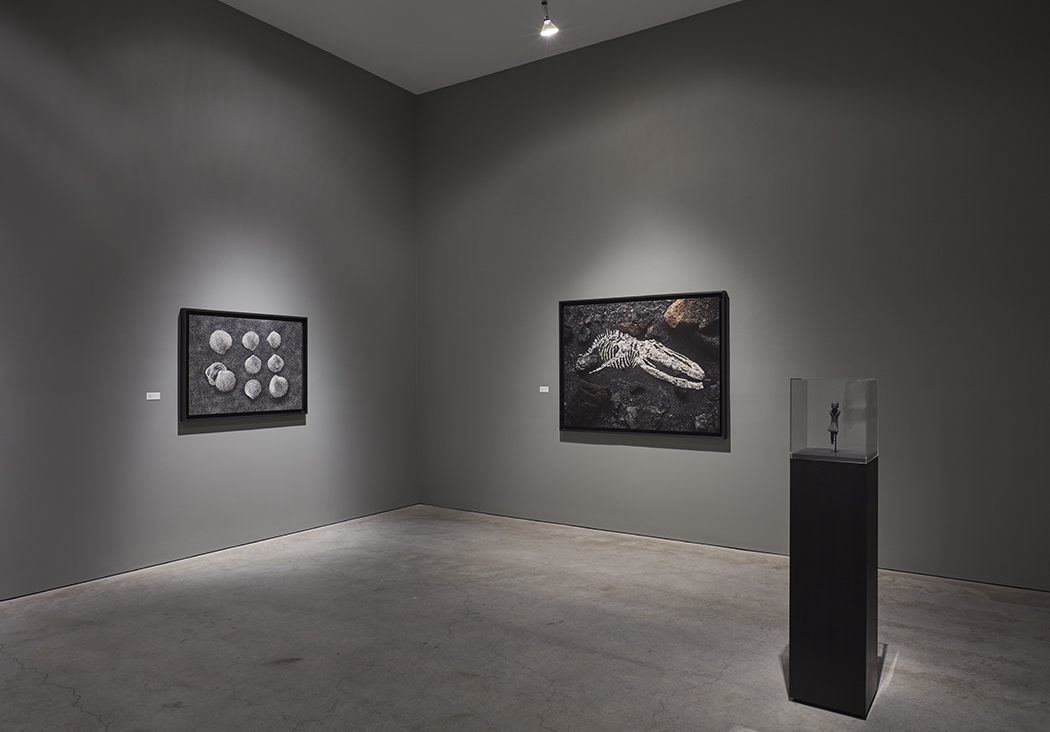
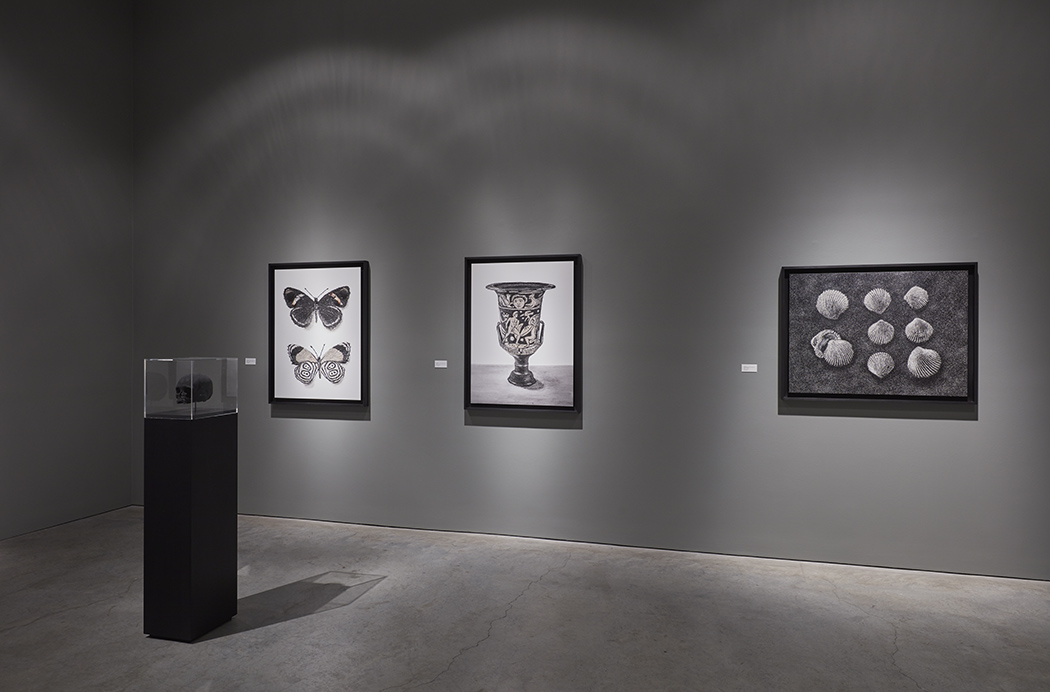
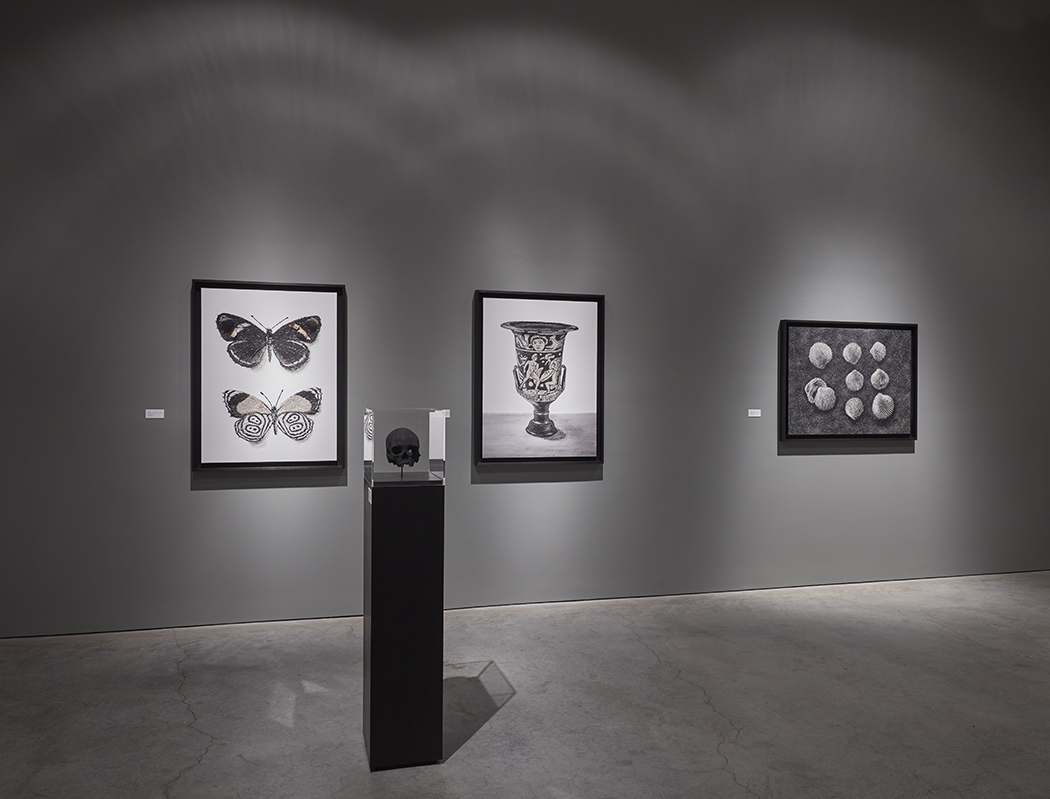
Muniz contacted the museum to see how he could help and learned of the extraordinary work of meta-archeology that the scientists were doing in recovering what little was left from the devastating incident. He also learned of the limited resources they had to do their jobs. The archeologists agreed to provide Muniz with whatever material passed through the sifters and shared the precise location where the ashes had been collected. Working from extant images, Muniz re-created the objects with material from their own ashes and photographed them. Alongside these photos will be a series of objects created in collaboration with the Federal University of Rio and Pontificia Universidade Católica. These 3D printed objects are derived from existing tomography files of the museum’s now-destroyed items, built using the ashes collected from the sites of their specific displays. The results are a meditation on materiality within the context of the predominantly virtual relationship we maintain with the past. By fusing the form and the material of historical evidence, Muniz is not only attempting to rescue the memory of such objects but also to remind us that life, as well as art, is the product of an interplay between mind and material.
photo caption or another comment.