VikMuniz
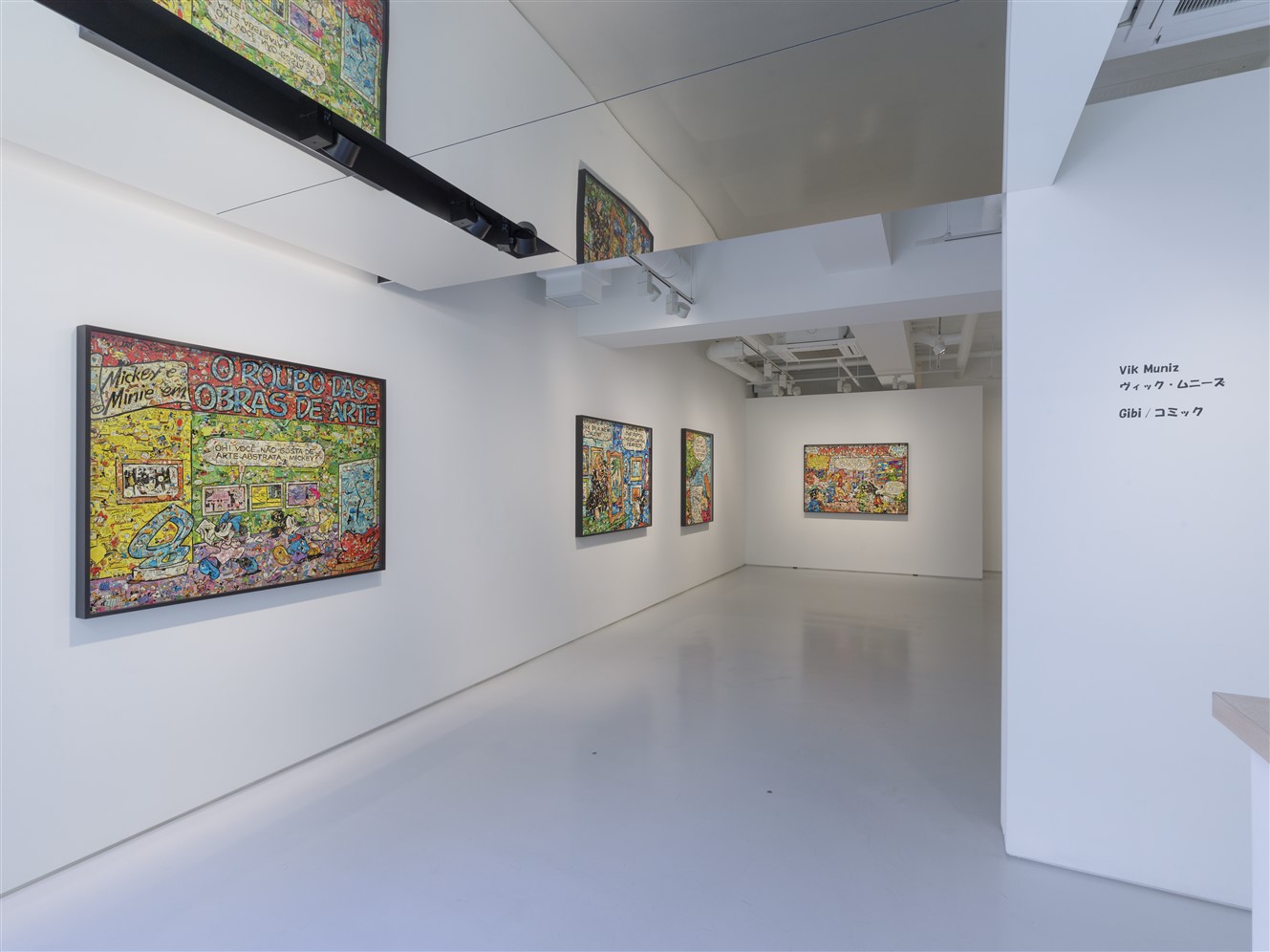
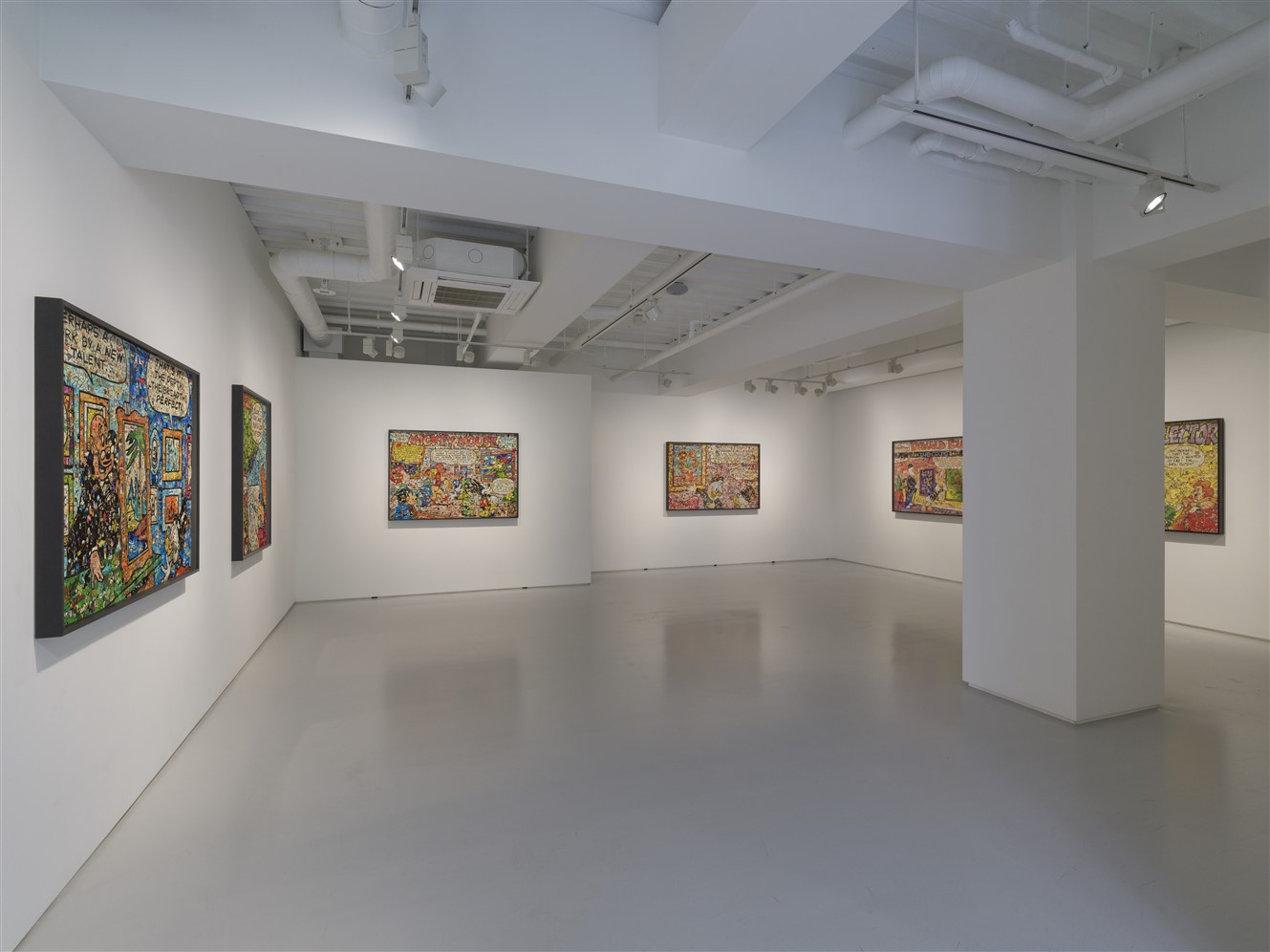
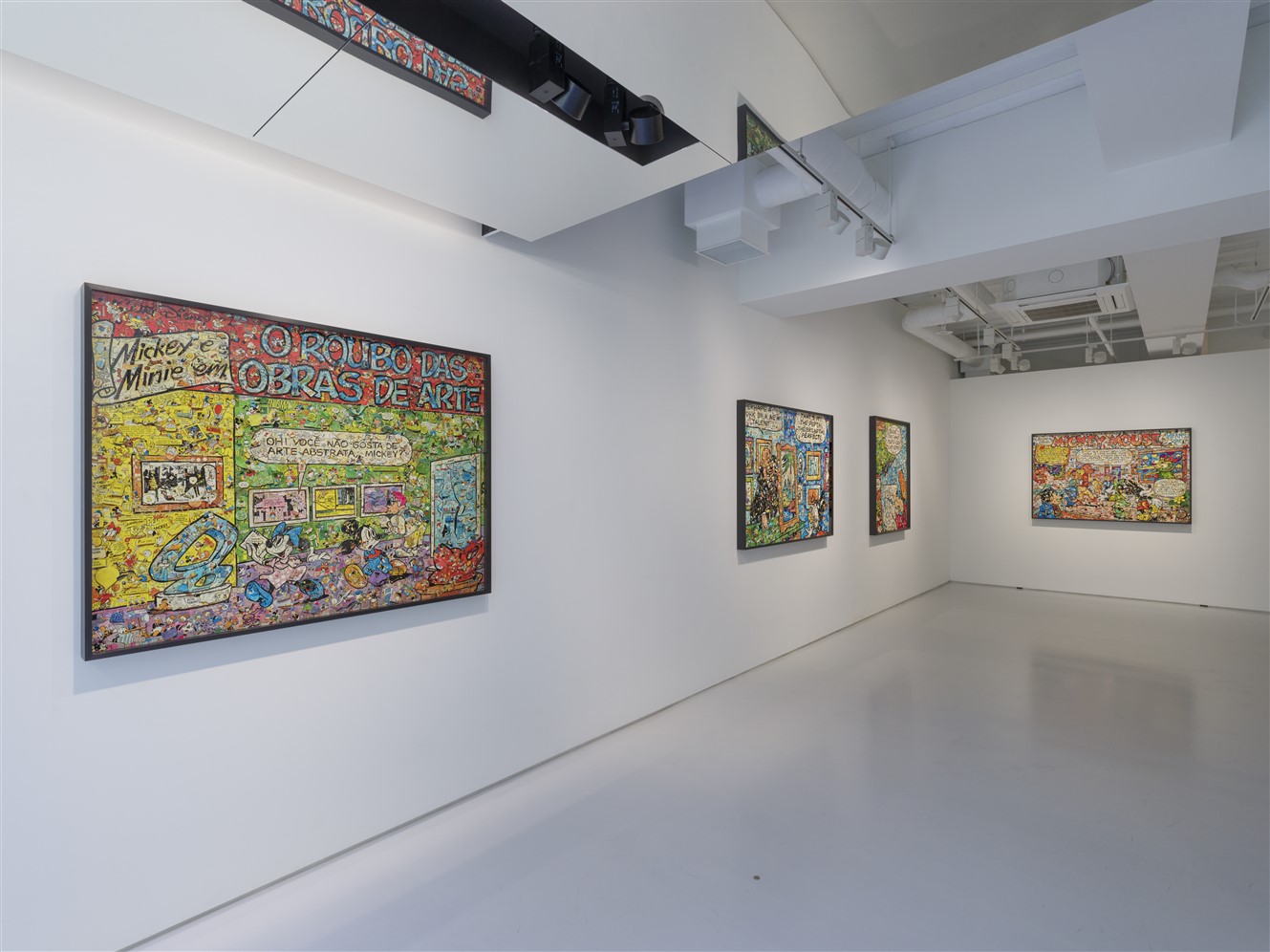
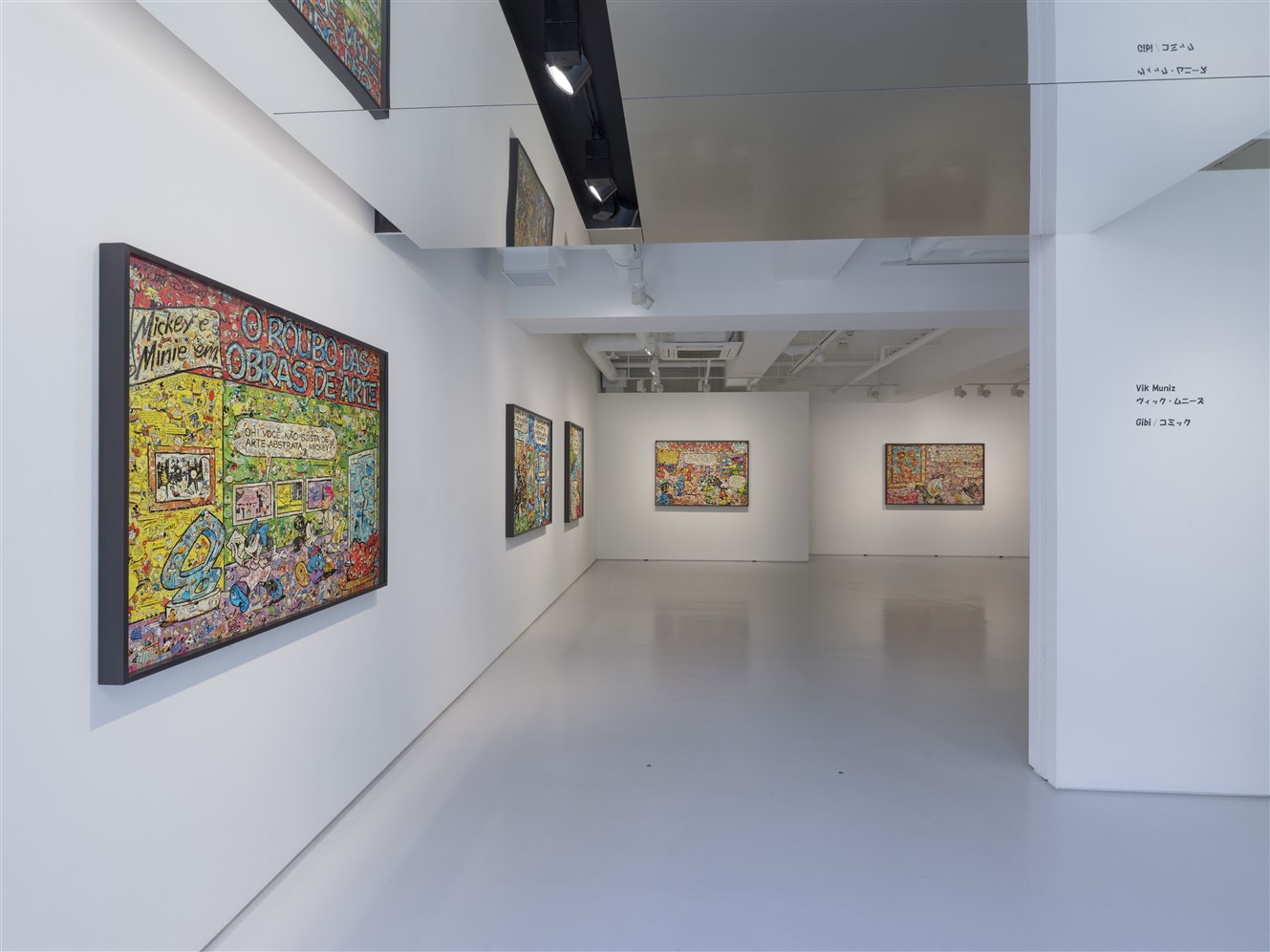
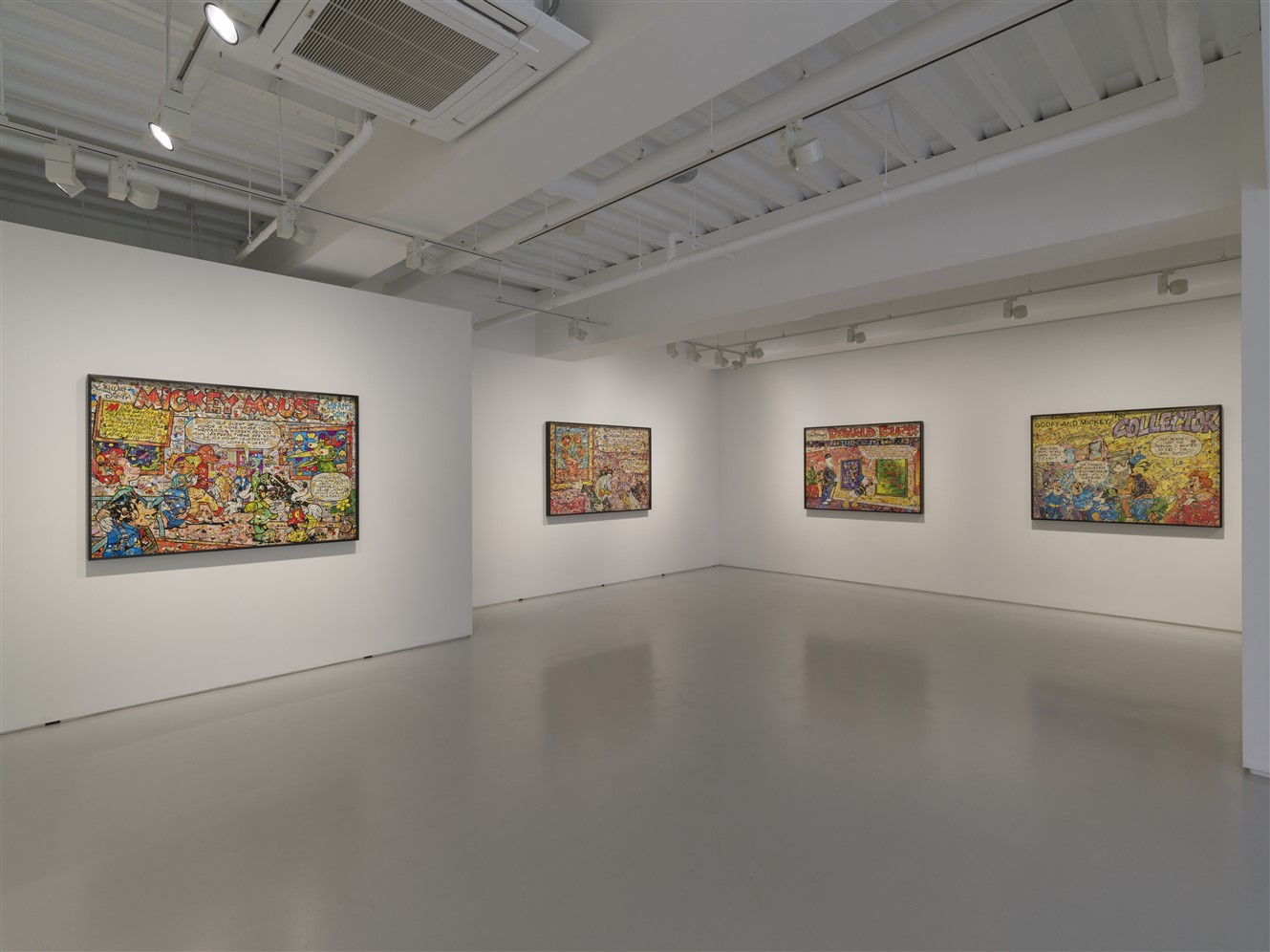
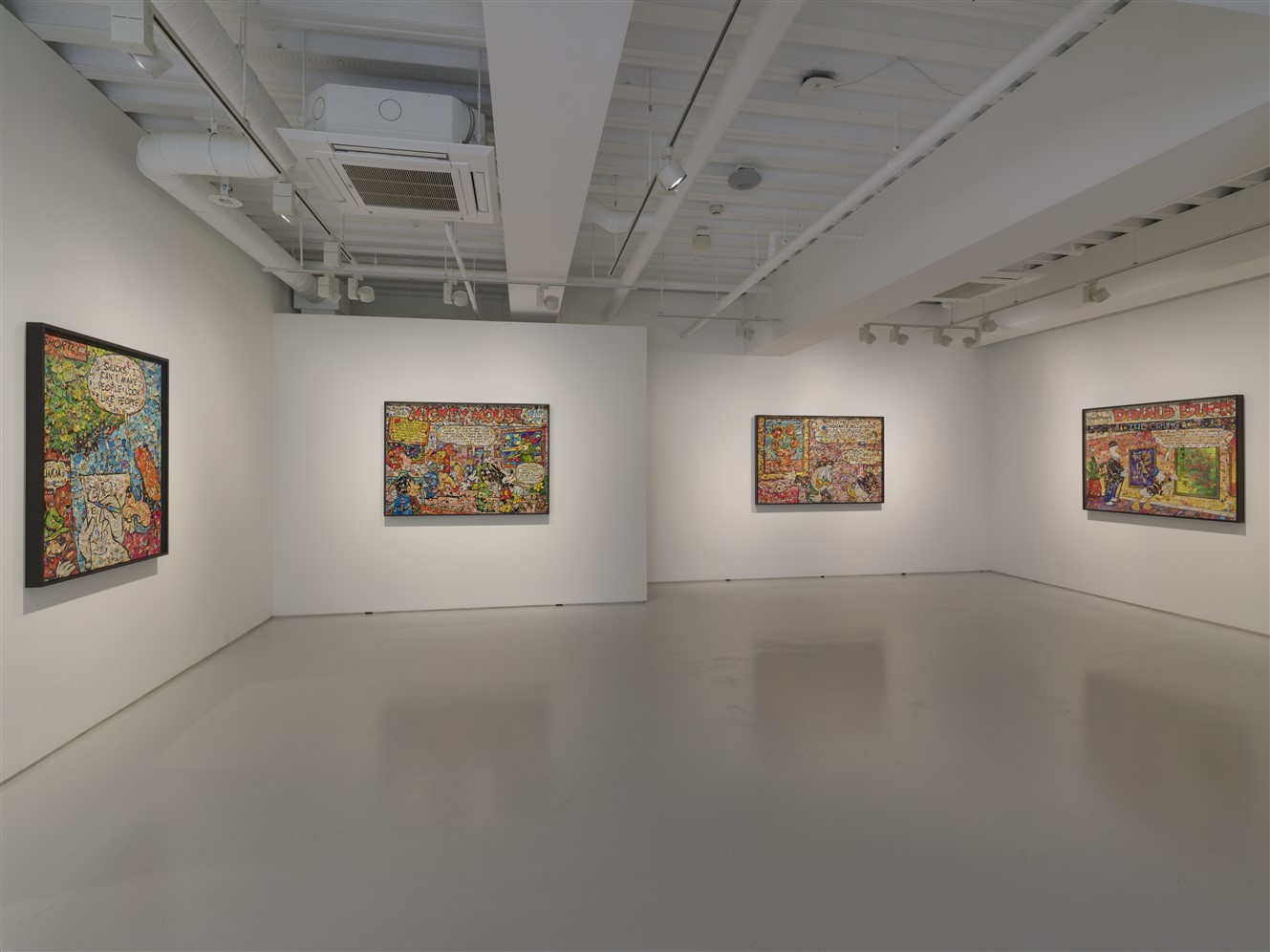
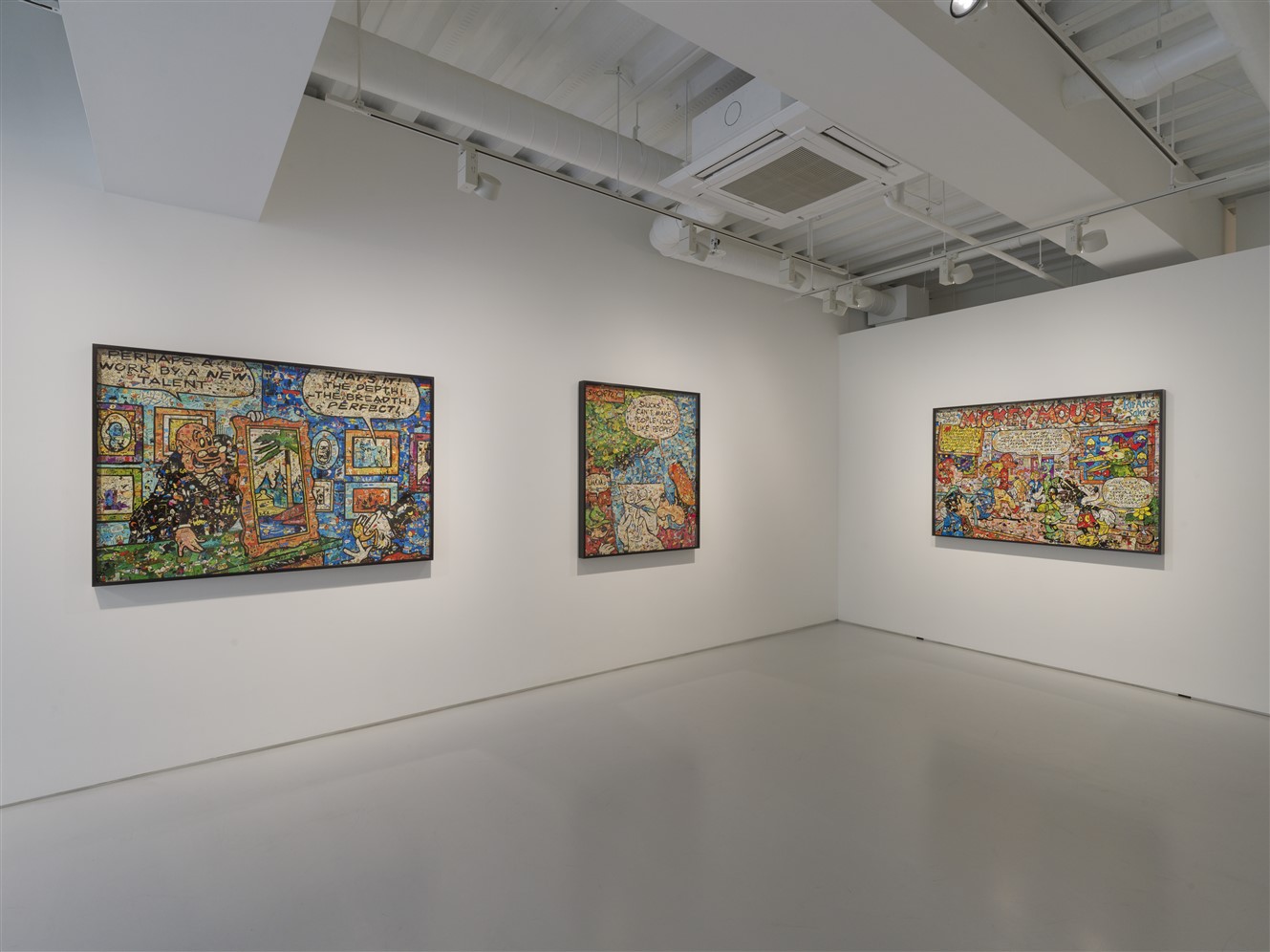
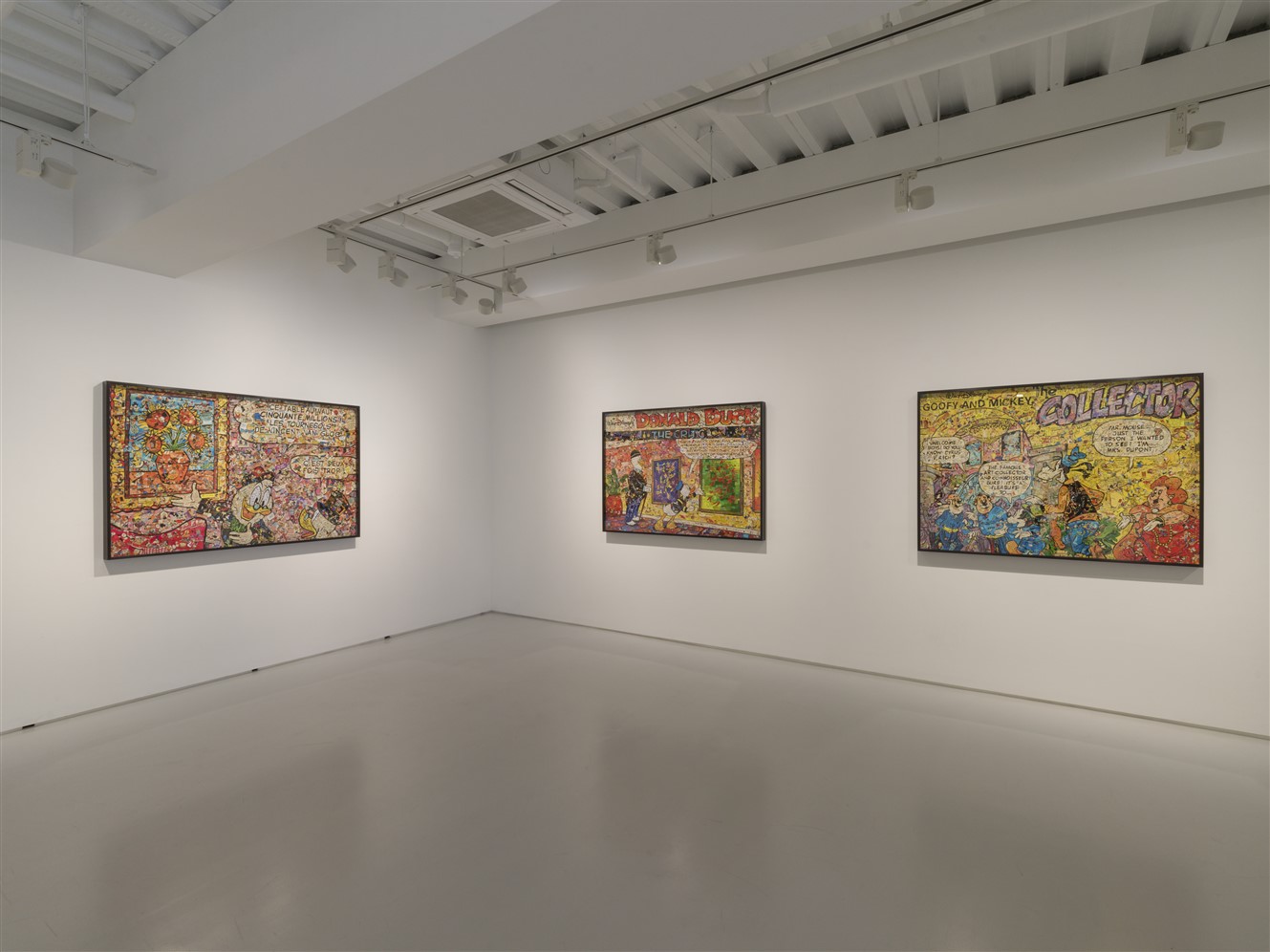
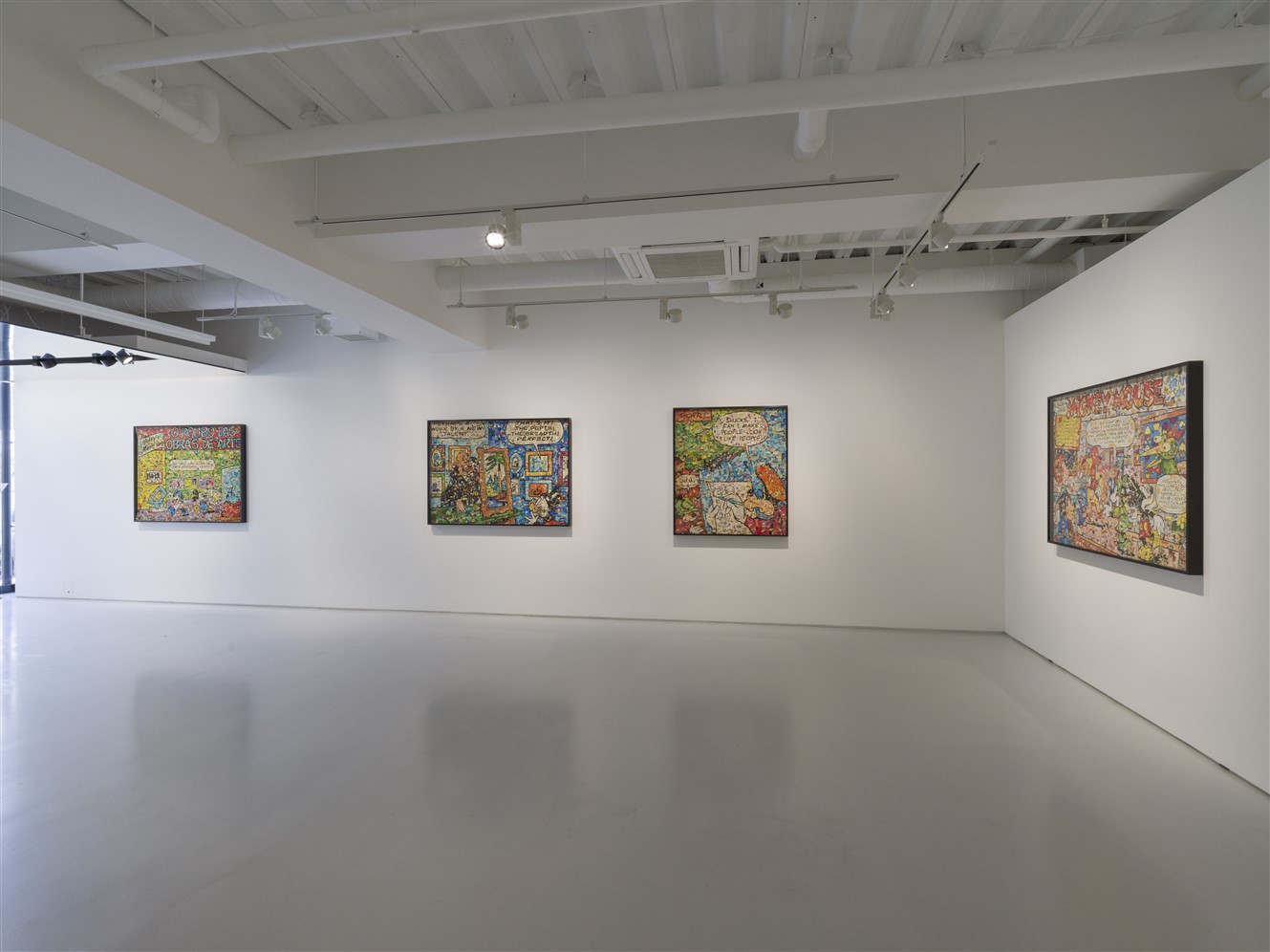
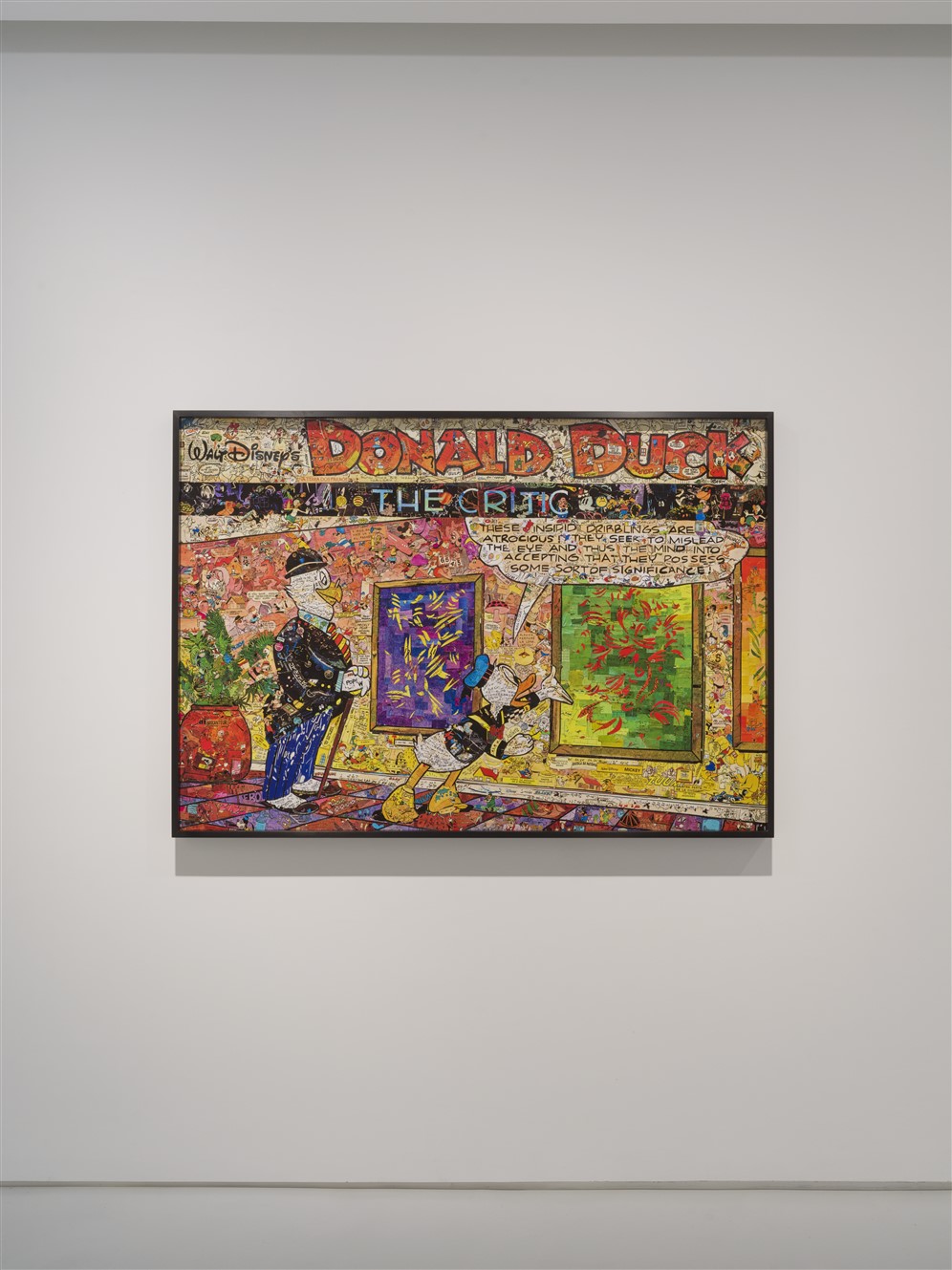
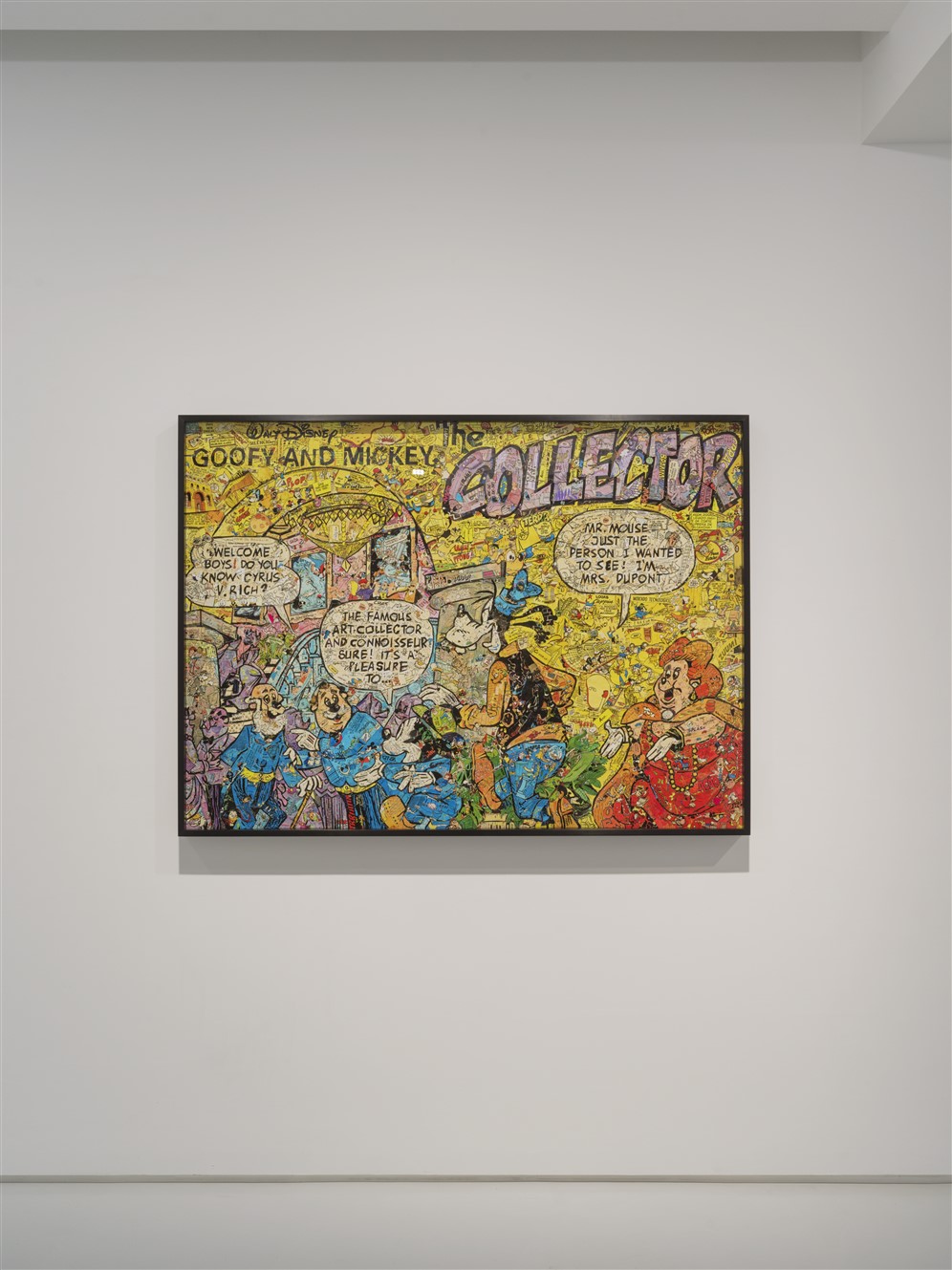
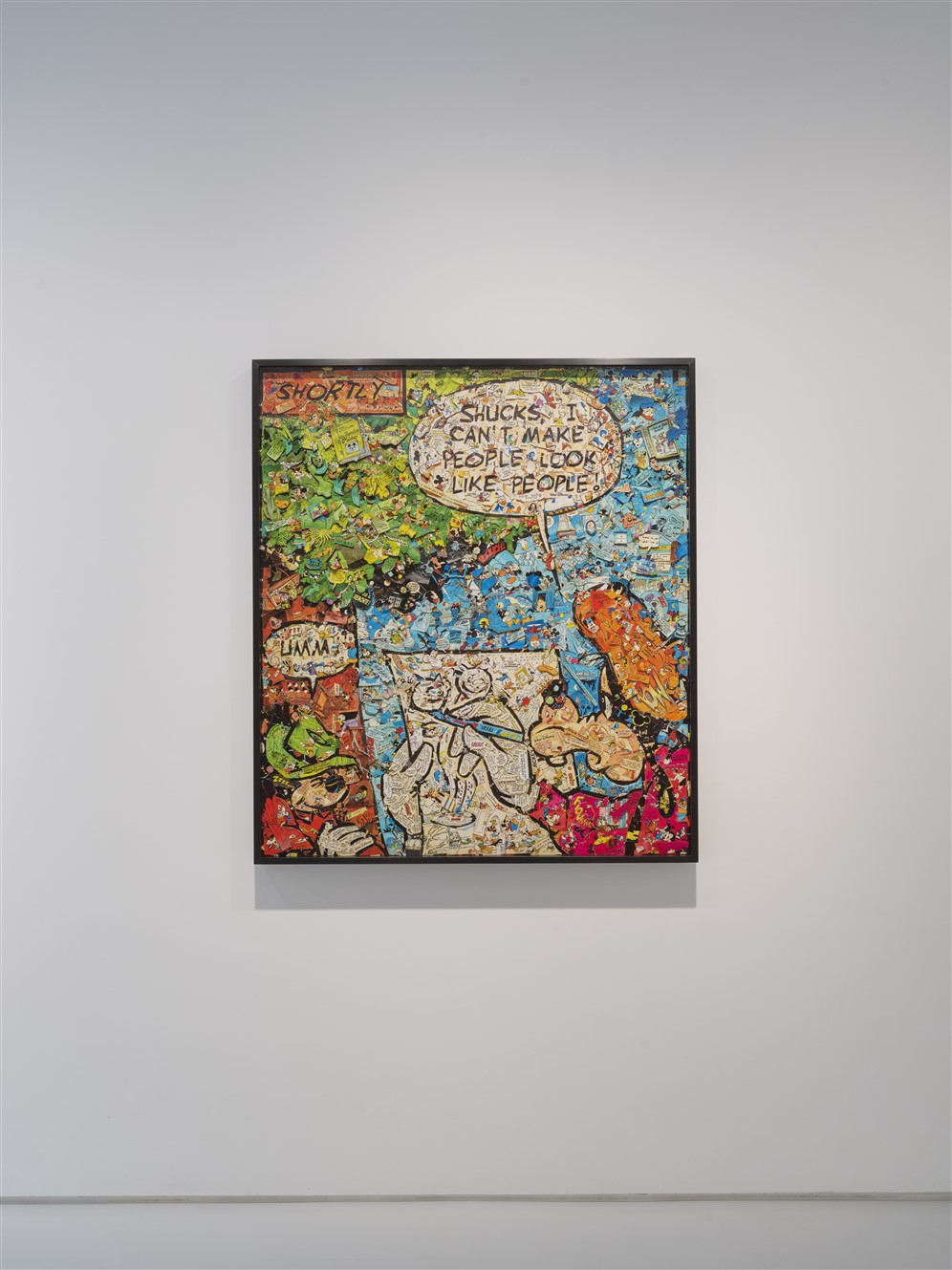
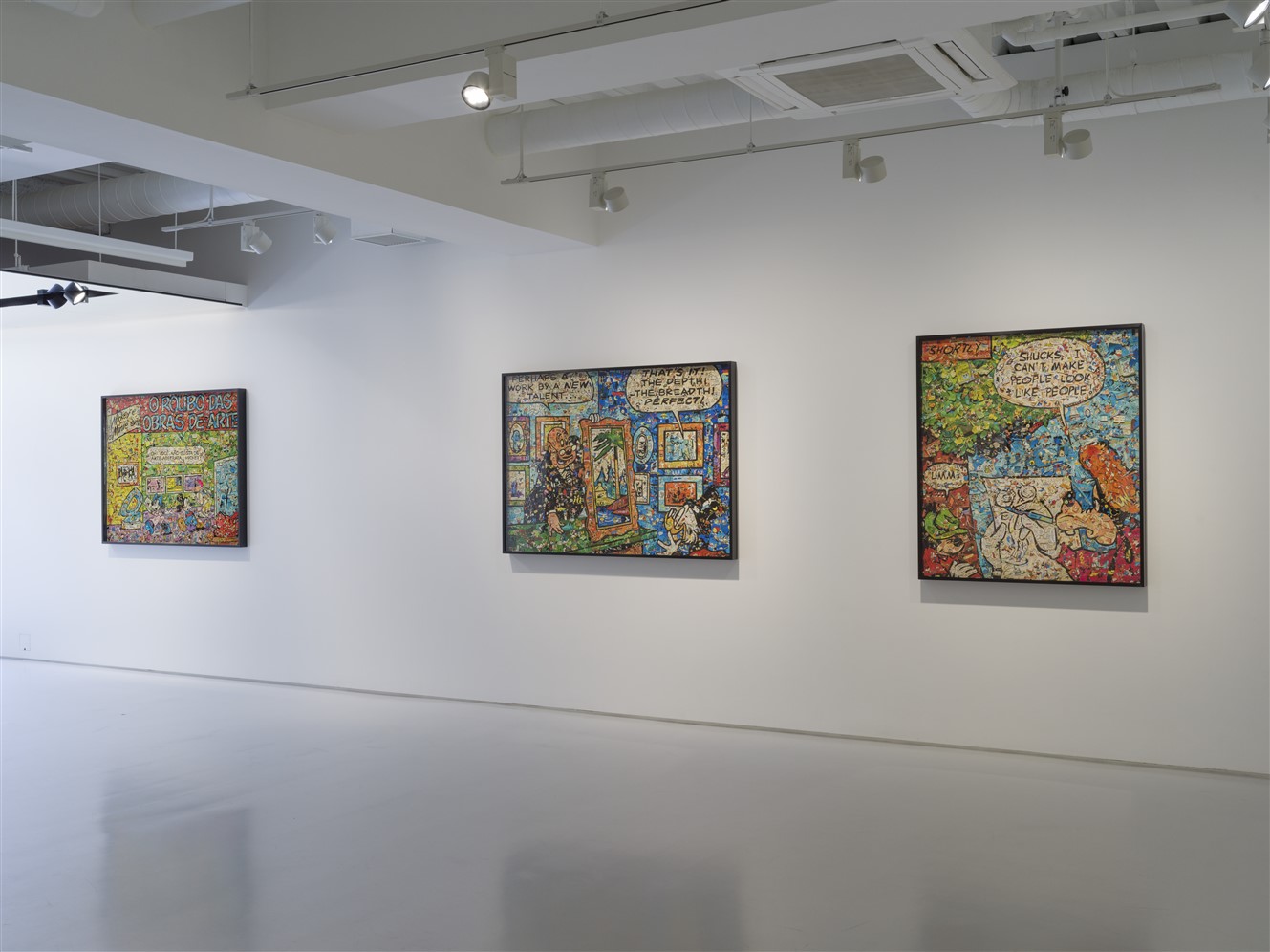
Gibi at Nichido Contemporary Art Gallery, Tokyo, Japan, April 14 – June 3
Since the 90’s, Vik Muniz has been exposing what really lies hidden in the background of images, we can call it their real essence, and he does so by recreating globally recognizable pictures – famous works of art, historical news photos – out of a variety of materials which includes chocolate sauce and diamonds, among others.
What Muniz has created for the viewer is a visual world that transcends by far their imagination, focusing on the specificity of the original scale, as illustrated by his series Pictures of Earthworks (2016) where pictures of large-scale line drawings carved in vast landscapes are photographed from a helicopter, or yet by his series Sand Castles (2014), where, as literally suggested by the title, through a collaboration with MIT castles are etched on sand grains using an Ion Beam machine (a device used for editing motherboards 1) and a camera lucida (a 19th century optical device). Likewise, in Colonies (2014), the artist presents works that reproduce and transform cancer cells, arranged through the use of a photolithographic process, into representations of semiconductor devices, circuit boards, or into some sort of traditional tapestry patterns. Tearing down the stereotypes that dictate the way in which we perceive the scales of reality, Muniz makes the invisible visible. We can clearly see this as Muniz’s constant effort to expand the visual horizon and override the limitations that comes with the technology photography embodies as a medium.
Then, as illustrated by his series Waste Land (2010), if on one side Muniz is no stranger to the concept of “rarity” in contemporary art, understood in terms of future cultural heritage, and to the high economic value it generates 2), on the other he surely must have a firm grasp of how that world cannot possibly come close to experience the strong appeal and propagation power that manga and animation possess. Starting in the midst of the pandemic, from 2021, Muniz has been presenting his new series of works focusing on Cubism in the solo show Fotocubismo, for instance, at gallery Nara Roesler (San Paulo, Brazil/ 202110.11-12.23). The idea to break down objects from multiple perspectives and to eventually merge them to make up the composition on a unified plane, as conceived by Picasso and Braque, can be interpreted, without exaggeration, as the anticipation of today’s 3DCG (a computer-generated graphic that translates a three-dimensional object on a two-dimensional surface).
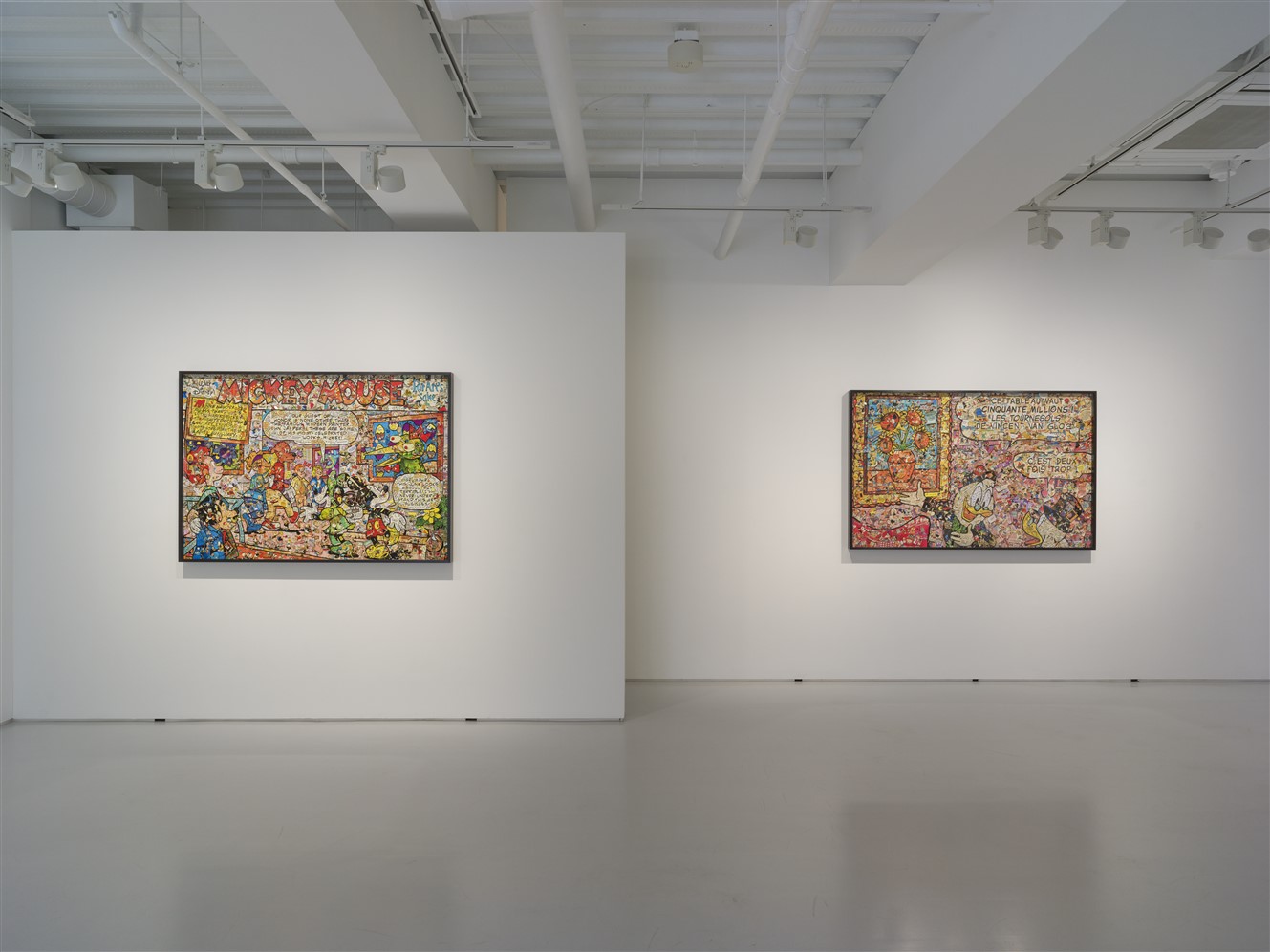
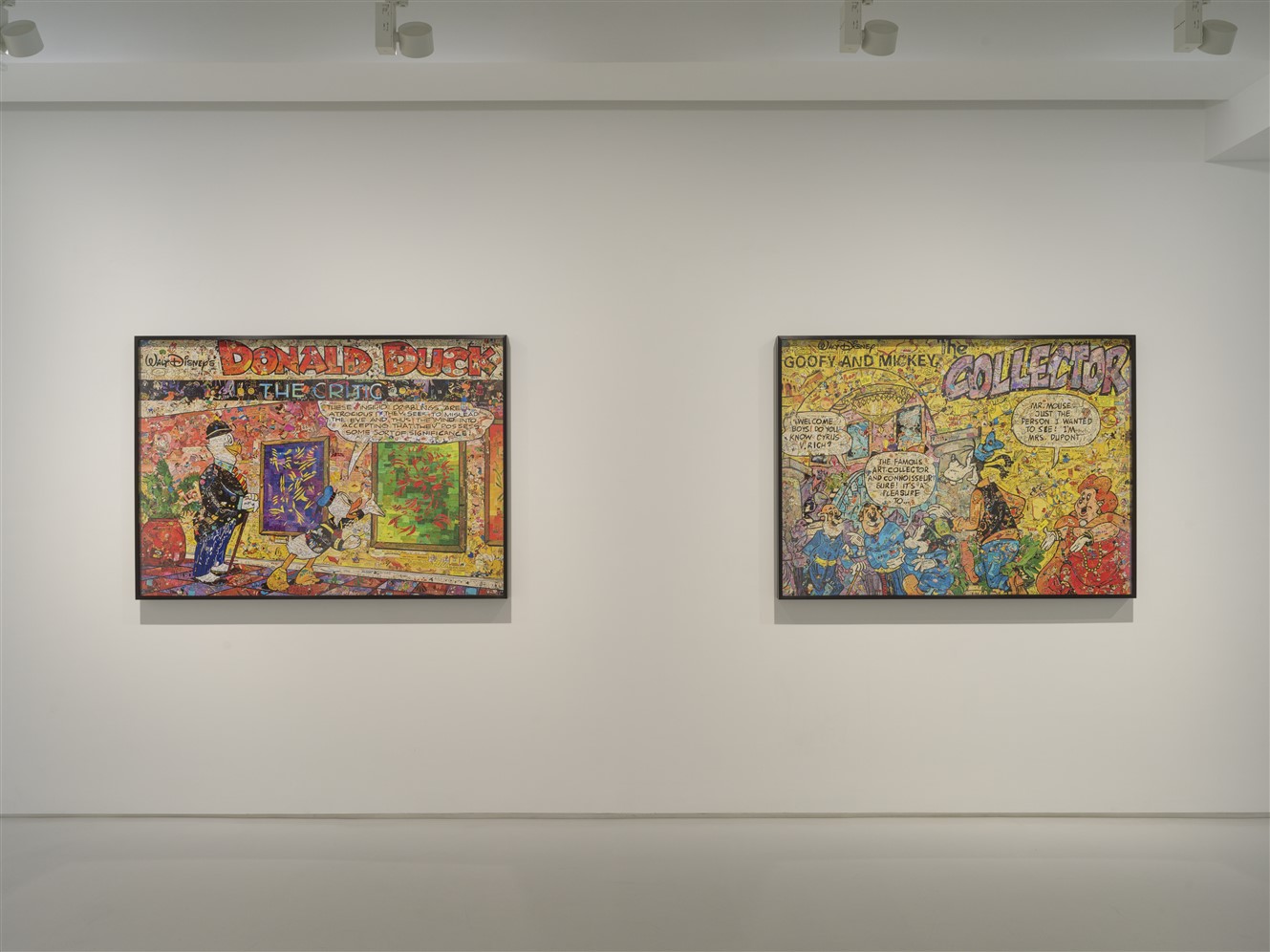
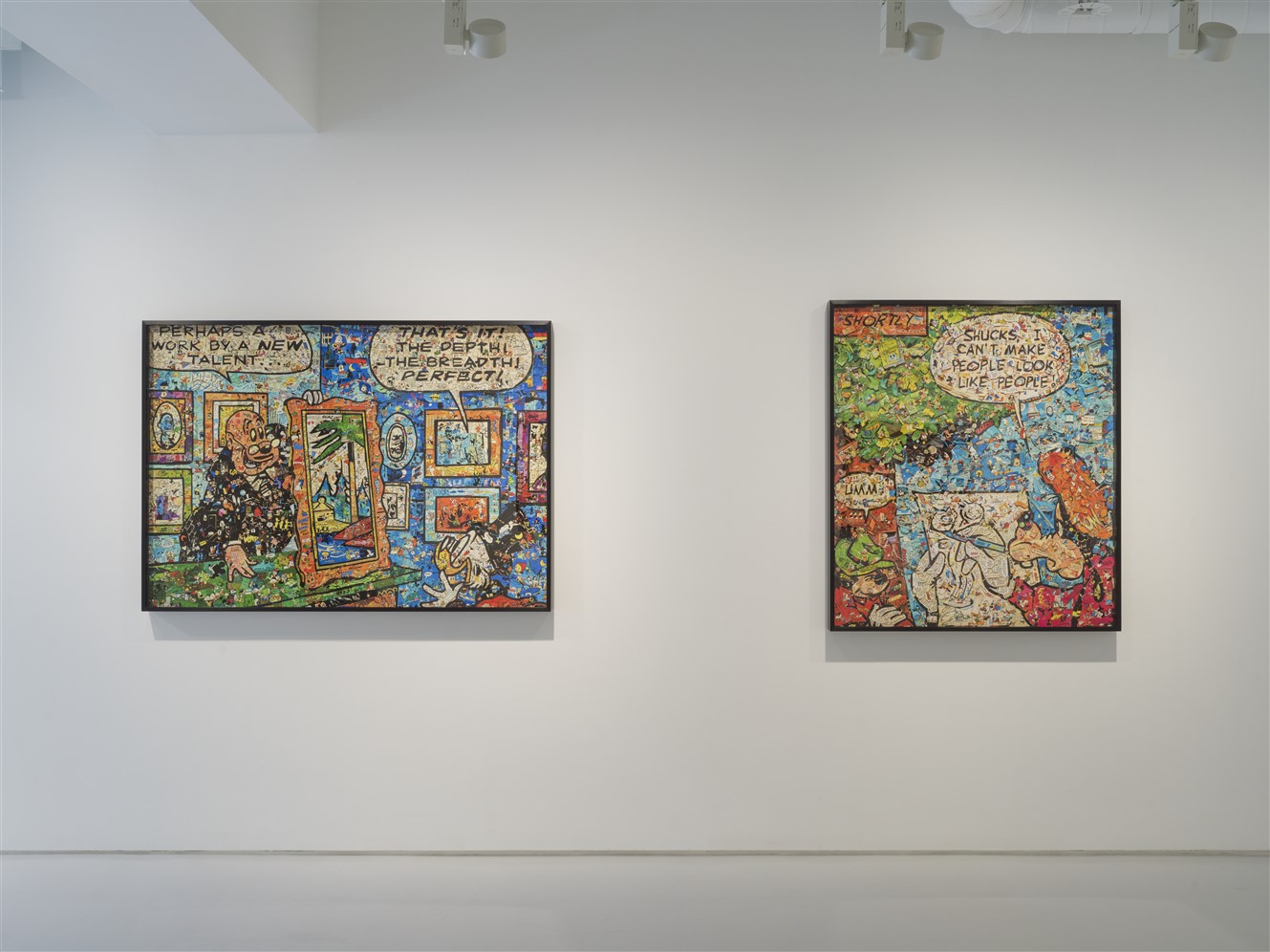
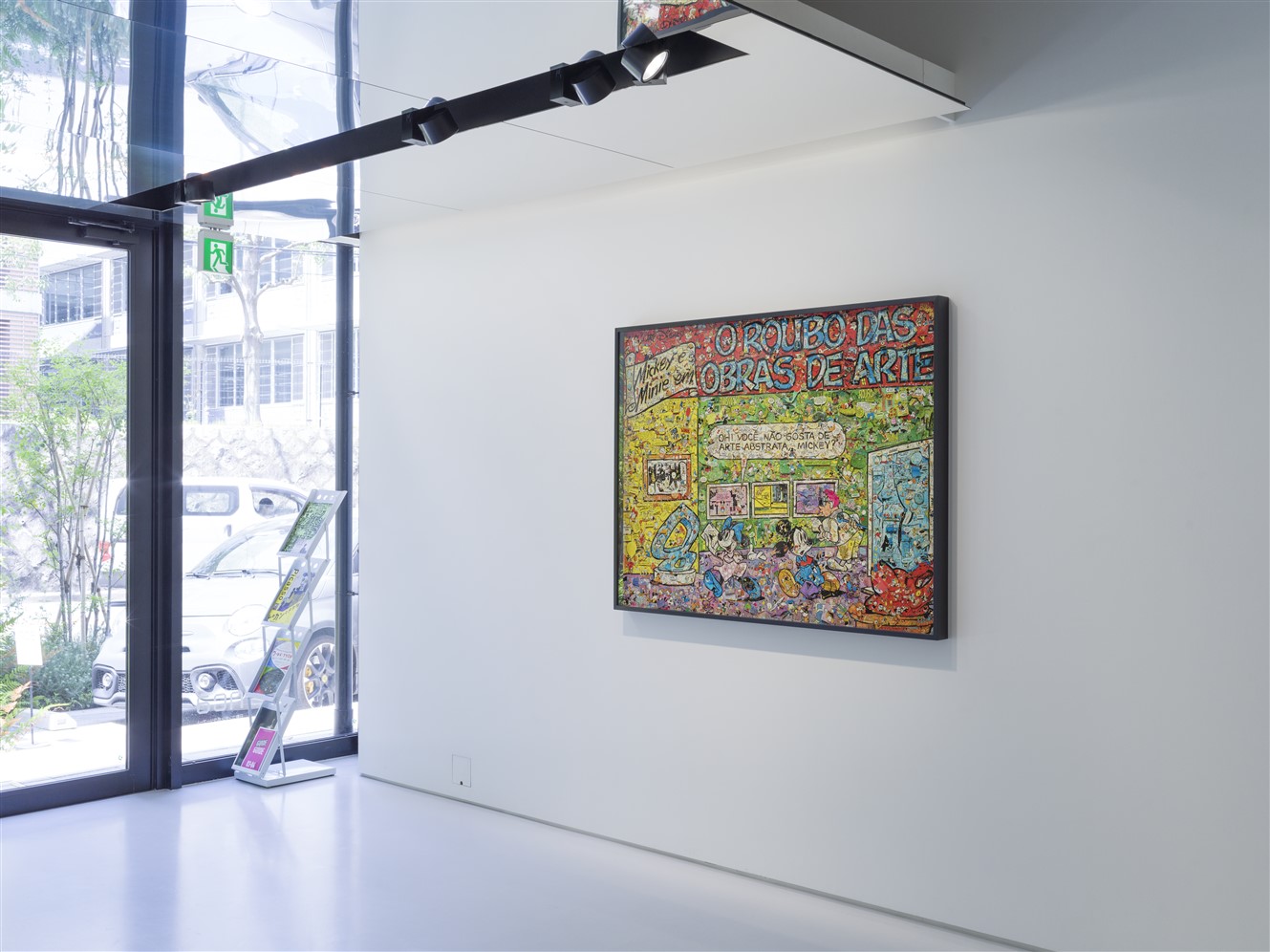
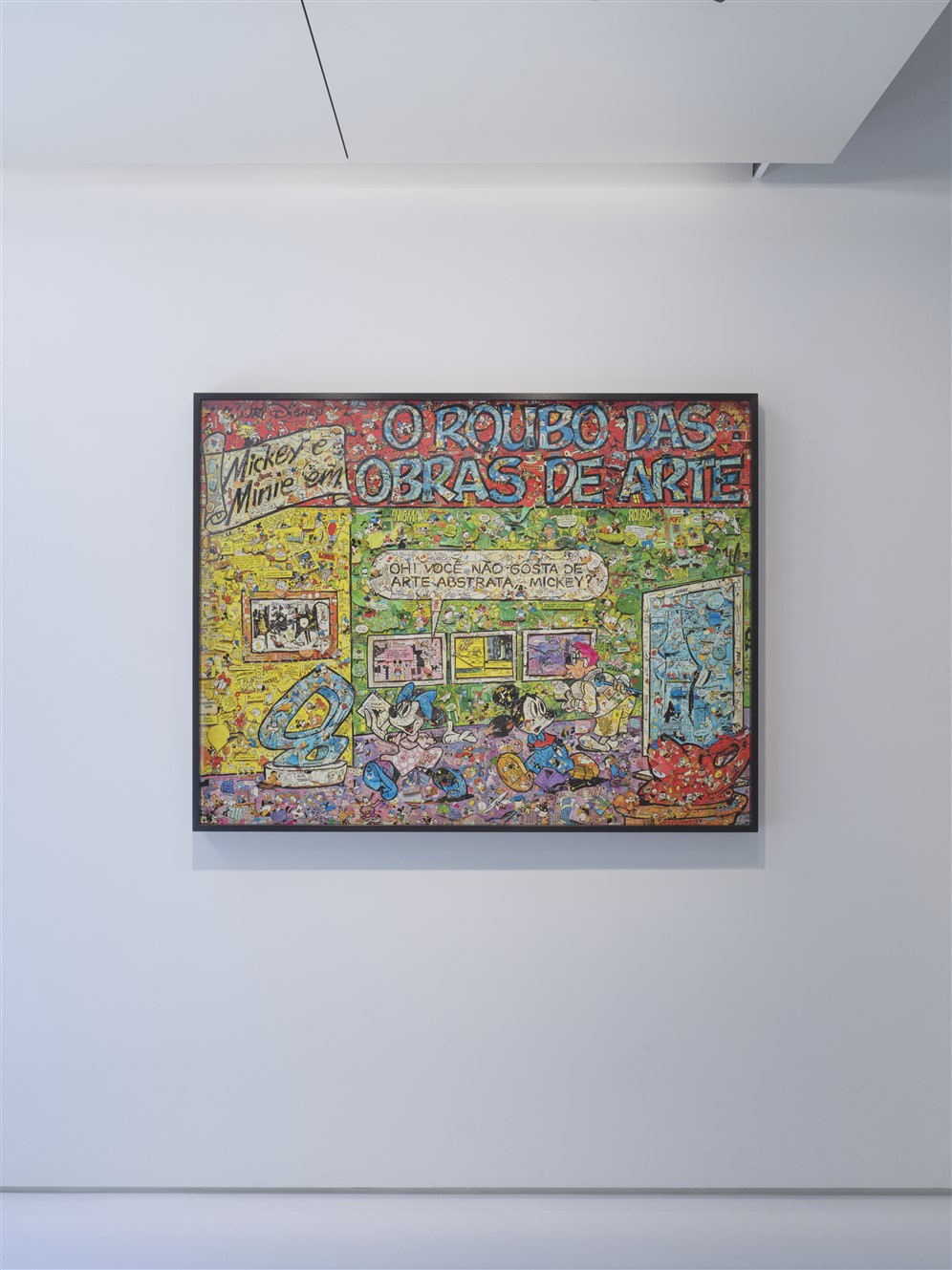
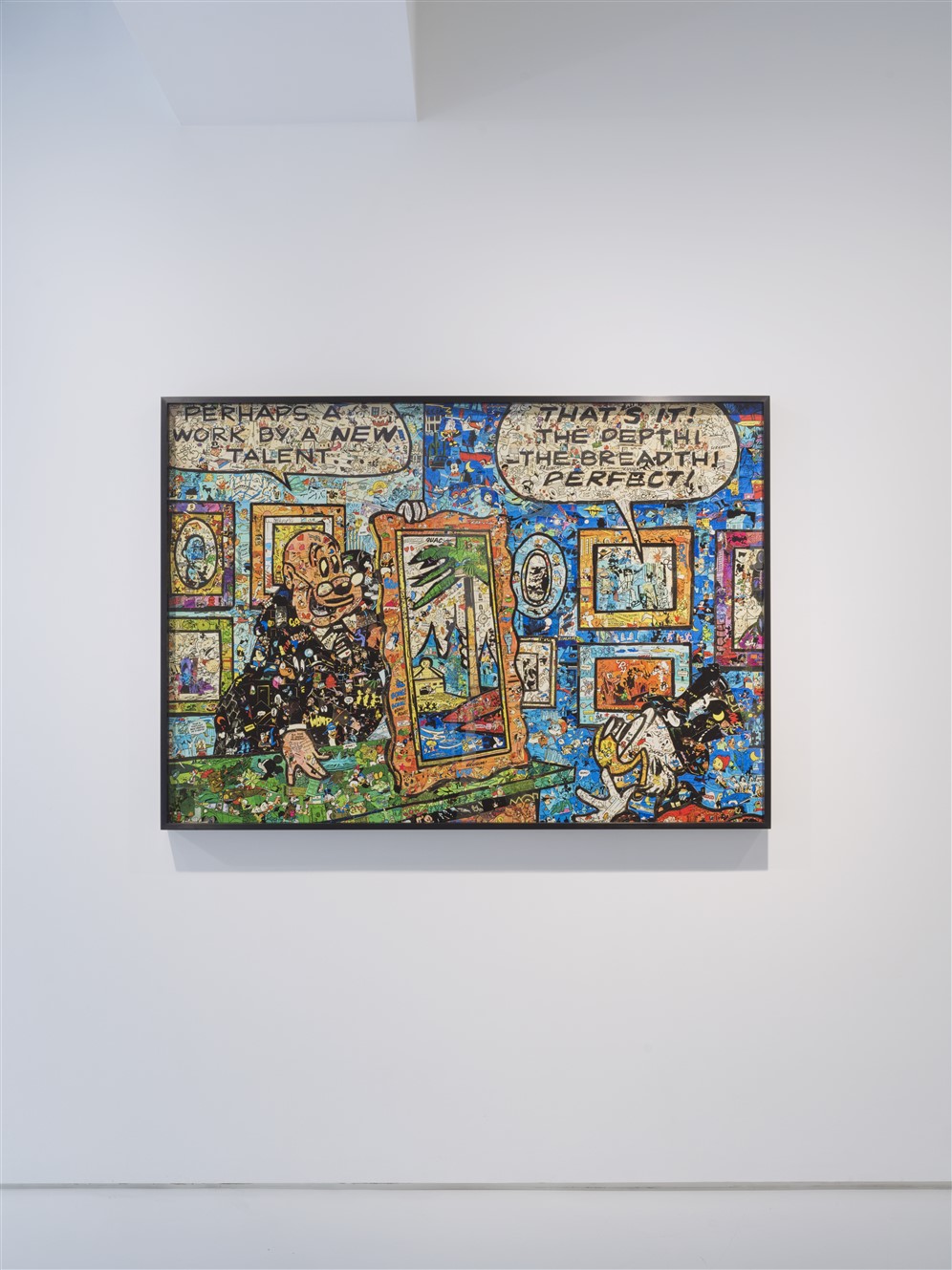
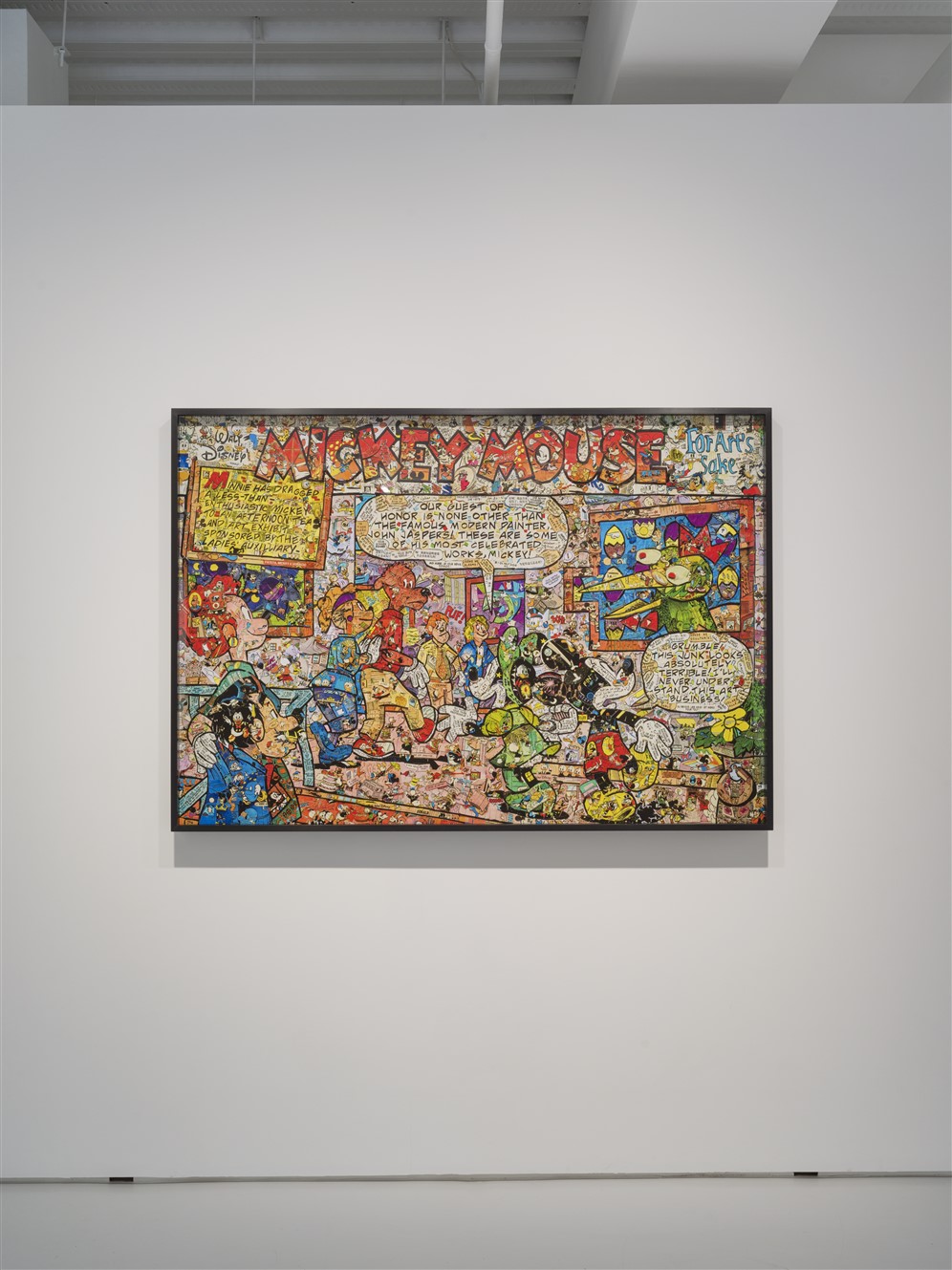
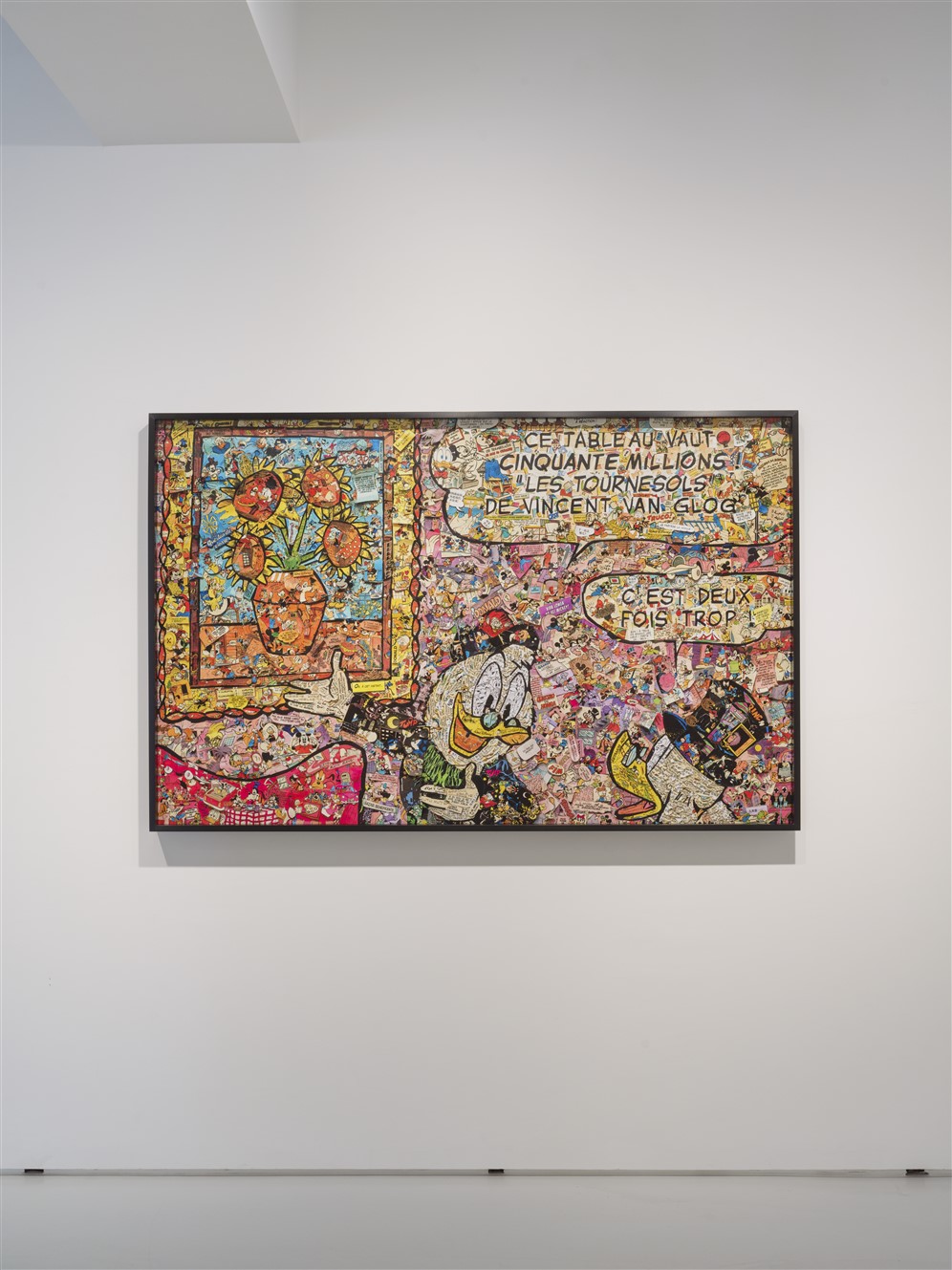
Whereas, the new works on view on occasion of his solo exhibition Gibi (Portuguese for comic book) at nca | nichido contemporary art (2023 4.14-6.3) draw inspiration from Disney’s comic books and cartoons.
When elaborating on what pushed him to create the new series, Muniz explained: “Disney has always represented for me the greatest American contribution to the culture of humankind. In giving life to mice, monsters, brooms and candlesticks, he rescued a primal and fantastic animism 3), repressed by the ostensible pragmatism that prevailed in the period between the two world wars”4). Bearing in mind his words, we can easily think of The Sorcerer’s Apprentice 5) segment from the animated feature Fantasia (1940). The story, where Mickey Mouse impersonates the sorcerer’s apprentice whose clumsy magic results in the flooding of the castle’s floors, resonates, for instance, with Japanese animism of which the traditional concepts of Yaoyorozu no kami6) (Eight Million Gods) and tsukumogami7) (everyday objects that become inhabited by a spirit), are examples.
When it comes to Disney’s creativity, Muniz also relates to the words of Sergei Mikhailovich Eisenstein (1898-1948), the Soviet moviemaker best known for his work Battleship Potemkin (1925): “This man seems to know not only the magic of all technical means, but also the most secret strands of human thought, images, ideas, feelings. (…) He creates somewhere in the realm of the very purest and most primal depths. There, where we are all children of nature”8). Incidentally, Eisenstein defined a generation with his montage theory 9) that attempted to produce emotional response in a viewer by conflicting different images created from juxtaposition.
I was quite surprised by Muniz’s keen insight and approach that led him to choose as stage for his new Disney series Japan, the land where the sun rose first on the animation and manga culture, whose early expressions are represented by the picture scrolls Ban Dainagon Ekotoba (12th century) and Choju Jinbutsu Giga (12th-13th century) 10), where animism and anthropocentrism become one, or yet by Japan’s first animated short film The Dull Sword (Namakura Gatana, 1917) 11).
As the Russo-Ukrainian war unfolds in front of our eyes, the world has entered an era of increasing polarization, a new Cold War between East and West. In light of the current events, Muniz’s works strongly feel as if breaking away from the dichotomy rooted in monotheistic values, giving voice to mutual respect for others’ beliefs.
Recognizing at the same time COVID 19’s ambivalent nature (described as potentially both a friend and a killer by philosopher and ecologist Timothy Morton (1968-) 12), in a moment when the conventional meaning and function of photography have transitioned from ‘recording something that already happened there’, to ‘spreading/sharing the moment as it unfolds here and now’ through SNS and other platforms and devices that allow the creation and spreading of contents in real time, Muniz seems to be seeking new possibilities that can bridge the gap between that ‘living in the moment’ and the ‘recording of the past’ within the contemporary art’s system.
photo caption or another comment.